

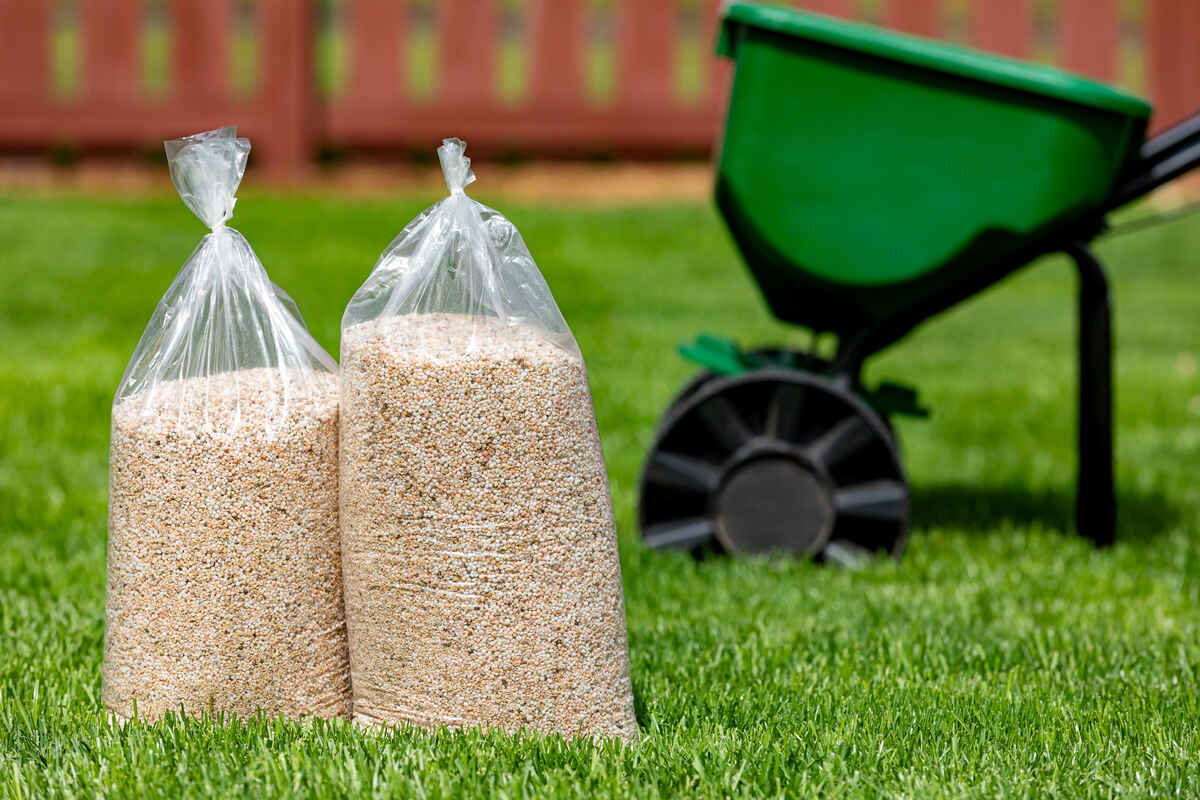
Most homeowners read the back of a fertilizer bag the way a tourist reads a foreign menu: they pick the prettiest number and hope for the best. The label promises a greener yard in two weeks, and the math seems simple. Pour, water, repeat.
The trouble starts with what the bag refuses to mention.
Soil chemistry, root depth, microbial populations, and the calendar of warm-season grasses across North Texas all shape whether that nitrogen scoop does any good or burns turf into dormancy. Anyone shopping for lawn fertilization Fort Worth properties actually need is shopping for a soil program rather than a product, because clay-heavy yards in Tarrant County, Bermuda and St. Augustine varieties common to Arlington and Weatherford, and the alkaline pH that defines the region all demand a fertilizer schedule built around pre-emergent and post-emergent timing instead of a one-bag fix.
That gap between what the bag says and what your yard actually needs is where most lawn problems are born. Five myths do most of the damage. Walking through them changes how you think about every spring application from this point forward.
Myth #1: The Bag’s Numbers Equal Your Lawn’s Diet
The NPK ratio printed on a fertilizer bag describes what is in the bag. It says nothing about what your lawn currently has, what it can absorb, or what gets locked away by the soil’s pH. North Texas clay binds phosphorus tightly, meaning a “balanced” 10-10-10 application can deliver almost zero usable phosphorus to the root zone.
A soil test answers questions that the bag cannot. It tells you whether iron is deficient, whether sulfur is needed to buffer alkaline pH downward, and whether organic matter is high enough to hold the nitrogen you apply. Without that baseline, every application is a guess in expensive packaging.
Spending forty dollars on a soil analysis spares hundreds in wasted product. Skipping it is the costliest decision a homeowner makes in spring.
Myth #2: Spring Is When You Start Feeding
Fertilizer calendars sold by big-box stores assume an average American lawn. Bermuda grass in Fort Worth follows a different rhythm than fescue in Ohio, and treating them the same wastes product and money.
Warm-season grasses begin pulling nutrients only after consistent soil temperatures climb past 65°F, which usually arrives in late February or early March in Tarrant County. Apply nitrogen earlier, and the grass cannot use it; rain washes most of it past the root zone, polluting waterways and feeding nothing useful in your yard.
The calendar that works in this region looks something like this:
- Late January through mid-February: pre-emergent only, no fertilizer.
- Mid-February through late March: first nitrogen application paired with pre-emergent.
- April through June: spaced fertilizer rounds matched to the grass’s growth surge.
- July through September: lighter feedings to support recovery from summer stress.
- Early October: a final pre-emergent for winter weeds, plus sulfur if pH demands it.
Skipping a step or stacking two applications too close together creates the boom-and-bust pattern that homeowners blame on the weather. The calendar is doing the damage, not the heat.
Myth #3: More Nitrogen Means a Greener Lawn
Past a certain threshold, nitrogen starts working against the lawn. The plant pushes blade growth so aggressively that root development falls behind, and the leaves you see above ground get cut off from the support system below.
Roots stay shallow. Drought tolerance collapses. Mowing frequency doubles. By July, the yard that looked emerald in May becomes a thin patchwork that needs constant water to survive a Texas afternoon.
A measured feeding program builds depth before color. Roots reaching twelve inches into clay can find moisture two weeks longer than roots stuck at three inches. That difference shows up in August, when half the neighborhood goes brown, and a properly fed lawn is still standing.
Myth #4: Weed Control and Fertilization Are Separate Jobs
Many homeowners treat weeds as a separate problem from feeding the grass. They are the same job approached from opposite sides.
Pre-emergent applications stop crabgrass, henbit, and Poa annua before they sprout. Post-emergent treatments handle the survivors. Without both, every nutrient you put down feeds the weeds first, because they germinate faster, root shallower, and grab nitrogen before your turf wakes up.
A program that stacks weed control on top of fertilization, rather than running them as parallel chores, costs less per square foot and produces a denser canopy. Dense canopies shade out future weeds. The grass begins protecting itself.
Myth #5: Organic and Pet-Safe Mean Painfully Slow
The belief that organic and pet-safe formulas work too slowly for Texas summers refuses to die. It belongs to a different decade.
Slow-release nitrogen sources, paired with humic acids and biological soil amendments, build color over three to four weeks and hold it through the worst of July. The application dries within an hour or two, after which children, dogs, and cats can use the lawn as usual. Granular weed-control products designed for residential use carry the same short re-entry windows.
Speed of greening was the only argument synthetic-only programs ever had. That argument no longer holds once soil-first treatments produce comparable color with measurably better drought performance and zero risk to the family.
Read the Soil, Then the Bag
Reading a fertilizer bag is like reading a horoscope. The words sound personal, yet they were written for everyone, which means they describe no one in particular.
Your lawn sits on Texas clay, under Texas heat, populated by Bermuda or St. Augustine that follows its own seasonal clock. Treating it like an abstraction is how thin yards happen.
Calibrate first, feed second. The bag becomes useful only after the soil has been heard.
 Wild Rise
  Brendly French