

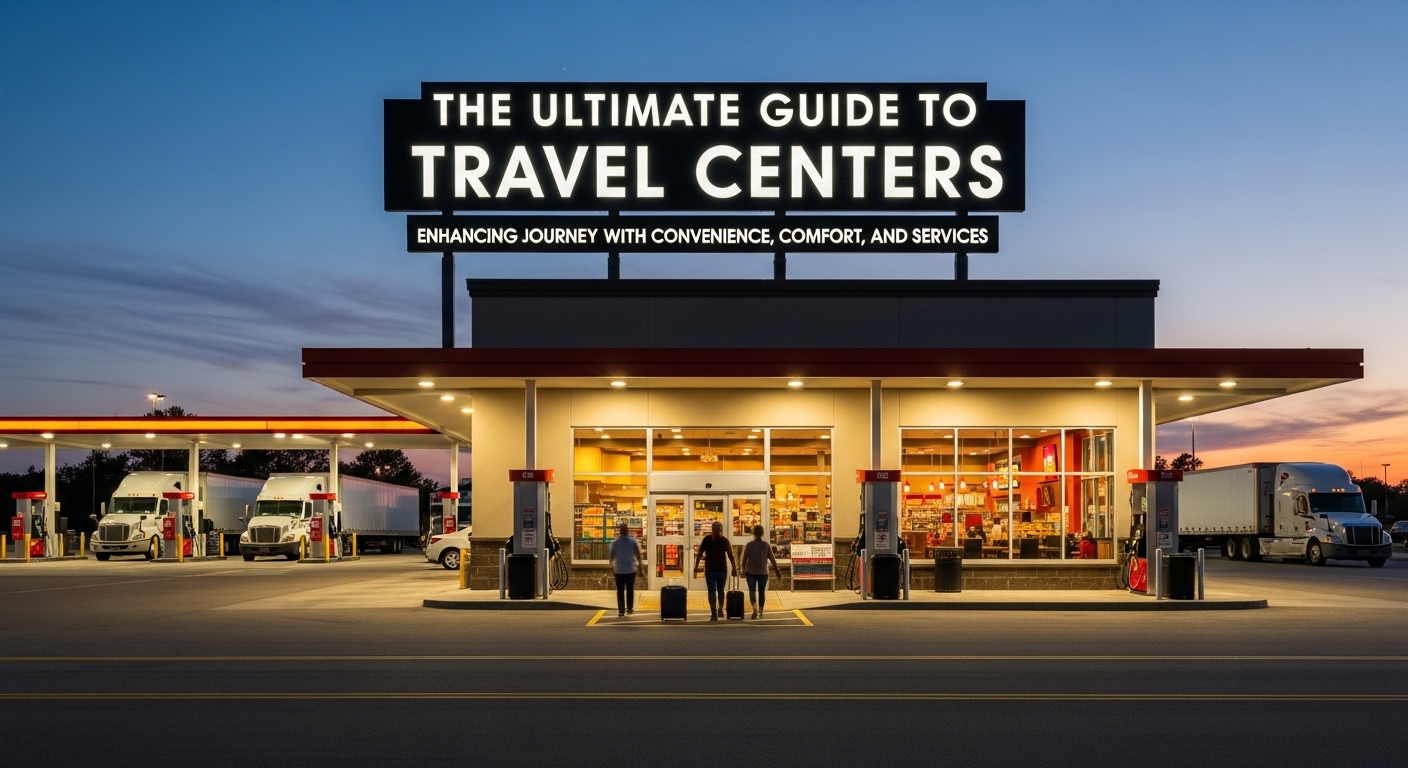
Traveling, whether for business or leisure, often comes with challenges that can make long journeys stressful and tiring. From refueling and vehicle maintenance to food options and rest areas, drivers and travelers require more than just a place to stop. This is where a travel center becomes indispensable. A well-equipped travel center provides a wide range of services that cater to the needs of drivers, passengers, and travelers, ensuring that every journey is safer, more comfortable, and more convenient. Understanding the role, benefits, and features of travel centers can greatly enhance travel planning and overall experience.
Travel centers are more than simple roadside stops. They are comprehensive hubs designed to meet multiple needs in a single location, offering fuel, food, vehicle services, restrooms, and sometimes even lodging. They serve not only commercial drivers, such as truckers and delivery personnel, but also vacationers, commuters, and anyone on long journeys. By centralizing essential services, travel centers minimize the stress of finding multiple stops, saving time and effort while providing a safe environment for breaks and vehicle maintenance.
The Role of a Travel Center in Modern Travel
In the fast-paced world of transportation and travel, a travel center serves as a one-stop solution for a variety of traveler needs. For long-haul truck drivers, access to fuel, vehicle repair, and rest areas is critical for maintaining schedules and adhering to safety regulations. For families or leisure travelers, these centers offer convenience, comfort, and a chance to recharge before continuing a journey. Unlike traditional gas stations, travel centers are designed with the traveler in mind, offering multiple amenities and often extending operating hours to accommodate round-the-clock travel.
The strategic placement of travel centers along major highways and interstates ensures that travelers have reliable access to essential services, regardless of location. This is particularly important in remote areas, where alternatives may be scarce. The presence of travel centers helps reduce fatigue-related accidents by providing safe and accessible rest options, as well as supporting vehicle performance through maintenance and repair services. In essence, a travel center bridges the gap between mobility and comfort, making it an integral part of road travel infrastructure.
Core Services Offered at Travel Centers
A typical travel center provides a wide range of services aimed at enhancing convenience and safety for travelers. One of the primary offerings is fuel, which is available for a variety of vehicles, including trucks, cars, and sometimes alternative fuel vehicles such as electric or natural gas-powered models. Many travel centers are equipped with multiple fueling stations to reduce wait times, and some even offer diesel exhaust fluid (DEF) and high-capacity pumps for commercial trucks.
Vehicle maintenance and repair services are also common, including oil changes, tire inspections, battery checks, and minor mechanical repairs. These services ensure that vehicles remain roadworthy, reducing the likelihood of breakdowns during long trips. In addition, many travel centers offer amenities such as car washes, restrooms, showers, and laundry facilities, catering particularly to truck drivers and long-distance travelers who may be on the road for extended periods.
Food and beverage options are another major feature, ranging from quick snacks and coffee to full-service restaurants and grocery sections. Convenience stores within travel centers provide travelers with essential items such as travel supplies, maps, snacks, and drinks, reducing the need to make multiple stops. Some centers also include banking services, ATMs, and Wi-Fi access, offering a comprehensive support system for both drivers and passengers.
Comfort and Safety: Key Considerations in Travel Centers
Travel centers are designed with both comfort and safety in mind. For drivers, especially those covering long distances, having access to a clean and secure environment is vital. Well-lit parking areas, monitored rest stops, and security personnel help ensure personal safety and vehicle protection. Additionally, amenities such as lounge areas, restrooms, and showers provide opportunities for relaxation and recovery, which is crucial for alertness and well-being during long drives.
Many travel centers also feature truck-specific facilities, including large parking spaces, truck scales, and weigh stations to support regulatory compliance. For leisure travelers, the availability of family-friendly areas, vending options, and easy access to highways enhances convenience and comfort. By addressing both practical and personal needs, travel centers ensure that travelers can continue their journeys with minimal stress and maximum readiness.
The Economic and Community Impact of Travel Centers
Beyond serving individual travelers, travel centers have a significant impact on local economies and communities. They create jobs, support local suppliers, and contribute to tax revenues through fuel sales, retail purchases, and service fees. Additionally, by providing safe and accessible stops for long-distance truck drivers, travel centers indirectly support industries such as logistics, retail, and manufacturing, which rely on timely delivery of goods.
From a community perspective,travel centers can also serve as hubs for local travelers, providing services that might not otherwise be easily accessible in remote or underserved areas. Their role extends beyond convenience; they contribute to the overall infrastructure that supports road travel, commerce, and safety across regions.
Choosing the Right Travel Center
For travelers and commercial drivers alike, selecting the right travel center can significantly impact comfort, efficiency, and safety. Key considerations include the availability of fuel and maintenance services, cleanliness of facilities, accessibility of parking, and range of food and convenience options. Some travelers may prioritize amenities such as showers, Wi-Fi, or lounge areas, while others may focus on quick service and vehicle support. By evaluating these factors, travelers can choose a travel center that meets their specific needs, enhancing the overall travel experience.
Additionally, location plays a strategic role. Travel centers positioned near highway exits, major transportation hubs, or high-traffic corridors offer both convenience and time savings. Many modern travel centers also provide digital tools such as apps, maps, or loyalty programs that allow travelers to locate services in advance, plan stops efficiently, and even reserve parking spaces for commercial trucks.
Enhancing Travel Through Technology
The integration of technology in travel centers has transformed the experience for modern travelers. Many centers now offer online fuel payment options, digital loyalty programs, mobile app notifications for available services, and even electric vehicle charging stations. GPS and mapping integrations allow travelers to locate the nearest travel center quickly, reducing stress and uncertainty during long trips. For commercial drivers, technology-enabled services such as automated check-ins, truck diagnostics, and route planning assistance further enhance efficiency and safety.
By leveraging these technological advancements, travel centers not only meet the expectations of modern travelers but also improve operational efficiency and customer satisfaction. This emphasis on innovation underscores the evolving role of travel centers in supporting mobility and convenience.
The Future of Travel Centers
As transportation continues to evolve, travel centers are adapting to meet new demands. The rise of electric and hybrid vehicles has prompted the installation of charging infrastructure, while increasing focus on sustainability encourages energy-efficient operations and environmentally friendly amenities. Additionally, the growth of autonomous and connected vehicles may influence how travel centers provide services, from automated fueling and vehicle maintenance to digital concierge services for travelers.
The continued development of travel centers reflects the changing needs of both commercial and leisure travelers. By integrating technology, safety, comfort, and convenience, these centers are positioned to remain essential hubs in the transportation landscape, ensuring that travelers can enjoy a seamless and efficient journey.
Conclusion
A travel center is more than just a stop along the highway; it is a comprehensive service hub designed to support the needs of modern travelers. By offering fuel, vehicle maintenance, food, convenience, and comfort, travel centers play a crucial role in enhancing safety, efficiency, and satisfaction on the road. Their strategic placement, range of services, and integration of technology make them indispensable for commercial drivers and leisure travelers alike.
Investing in well-equipped and reliable travel centers not only benefits individual travelers but also supports the broader economy, infrastructure, and transportation ecosystem. By understanding the features and advantages of travel centers, travelers can plan more effectively, reduce travel-related stress, and enjoy journeys with convenience and confidence.
 Brendly French