

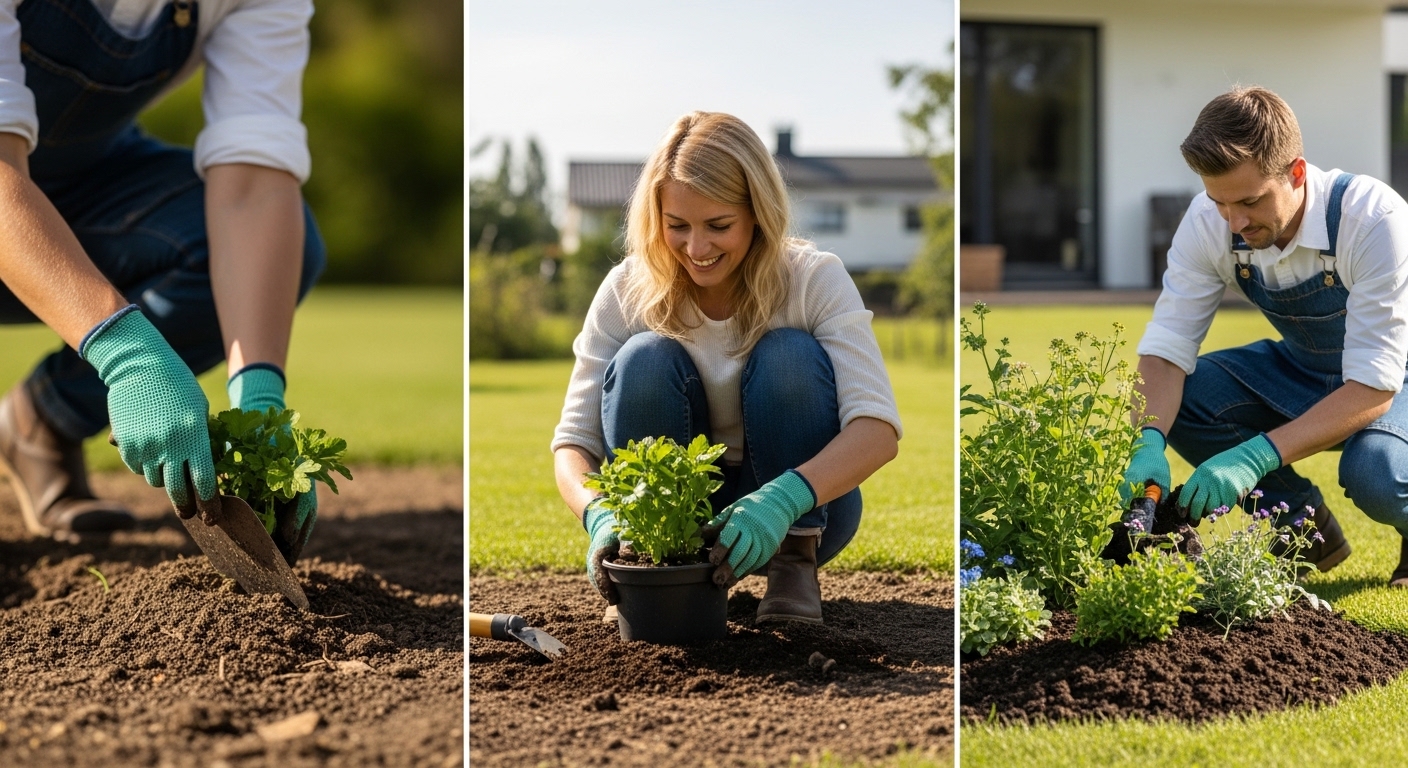
Plant installation is an essential aspect of landscaping that combines creativity, planning, and technical knowledge to transform outdoor spaces into thriving, aesthetically pleasing environments. Whether the goal is to create a lush garden, a functional green space, or a sustainable landscape that supports local ecology, proper plant installation ensures that plants establish strong roots, grow healthily, and enhance the overall beauty of the property. The process involves selecting the right species, preparing the soil, positioning plants strategically, and implementing techniques that encourage long-term growth and resilience. A successful plant installation not only contributes to visual appeal but also promotes environmental benefits, reduces maintenance requirements, and supports the overall health of the landscape.
Understanding Plant Installation
Plant installation refers to the process of carefully placing and establishing plants in a designated area, taking into account soil conditions, climate, sunlight, water requirements, and overall landscape design. This process is much more than simply digging holes and planting greenery; it involves meticulous planning to ensure that each plant thrives in its environment, integrates harmoniously with surrounding vegetation, and achieves the intended aesthetic or functional purpose. Proper plant installation also involves preparing the soil with appropriate amendments, ensuring adequate drainage, and providing initial care to help plants adapt to their new surroundings.
The importance of plant installation extends beyond appearance. Well-planned and executed plant installation can prevent soil erosion, reduce water runoff, improve air quality, and create habitats for beneficial insects, birds, and other wildlife. It can also provide shade, enhance privacy, and contribute to the long-term sustainability of a property by incorporating native or drought-tolerant species that require minimal maintenance. By investing in professional plant installation, property owners can achieve landscapes that are not only visually appealing but also resilient and ecologically responsible.
Types of Plants for Installation
Selecting the right types of plants is a critical step in the installation process, as different species have varying growth habits, environmental requirements, and aesthetic qualities. Plant installation can include a wide range of plant types, including:
Trees and Shrubs: Trees and shrubs form the structural backbone of a landscape, providing height, shade, and texture. During plant installation, it is crucial to consider the mature size, root spread, and growth rate of each tree or shrub to prevent overcrowding and future maintenance challenges. Proper spacing ensures healthy development and reduces competition for sunlight and nutrients.
Perennials and Annuals: Perennials offer lasting color and form over multiple seasons, while annuals provide vibrant seasonal interest that can be changed each year. Plant installation of perennials requires careful attention to soil preparation, while annuals often require more frequent replacement but offer flexibility in design.
Groundcovers and Vines: Groundcovers and climbing plants are ideal for erosion control, slope stabilization, or filling empty spaces in the landscape. Proper plant installation ensures these plants are positioned to spread effectively without overwhelming surrounding species.
Ornamental Grasses: Ornamental grasses add movement, texture, and visual interest to the landscape. Successful installation involves considering their mature height and spread to avoid encroachment on pathways or other plants.
Native and Drought-Tolerant Plants: Incorporating native species supports local ecosystems, attracts pollinators, and typically reduces the need for excessive watering or chemical treatments. Proper plant installation involves selecting species suited to local soil and climate conditions to ensure long-term success.
Benefits of Proper Plant Installation
The advantages of professional plant installation extend far beyond aesthetics, encompassing ecological, functional, and economic aspects that enhance the value and sustainability of a property.
Improved Plant Health and Longevity: Proper plant installation ensures that plants are positioned in locations that meet their sunlight, soil, and water requirements, reducing stress and promoting healthy growth. Correct planting techniques, including appropriate soil amendments and root handling, increase survival rates and reduce the likelihood of disease or premature decline.
Soil and Erosion Management: Plant installation often includes soil preparation that improves fertility, structure, and drainage, which is essential for long-term plant health. Strategically placing plants on slopes or in vulnerable areas prevents soil erosion, reduces sediment runoff, and protects hardscape elements such as pathways and retaining walls.
Enhanced Landscape Aesthetics: Thoughtful plant installation contributes to a cohesive and visually appealing landscape design. The placement of plants in layers, using variations in color, texture, and height, creates depth and visual interest, while carefully chosen combinations of species provide year-round beauty.
Environmental Benefits: Properly installed plants improve air quality, support biodiversity, and contribute to sustainable landscaping practices. Trees and shrubs provide shade, reduce heat island effects, and mitigate stormwater runoff, while native plants support pollinators, birds, and beneficial insects.
Reduced Maintenance Requirements: Plant installation techniques, including mulching, proper spacing, and soil amendments, reduce the need for frequent watering, pruning, and pest control. By establishing plants correctly from the start, homeowners can enjoy lower maintenance efforts and costs over time.
Step-by-Step Process for Plant Installation
A systematic approach to plant installation ensures that each species thrives and contributes effectively to the overall landscape design.
Planning and Design: The first step in plant installation involves assessing the site, including soil type, drainage, sunlight exposure, and existing vegetation. A detailed landscape plan determines the placement of each plant based on size, growth habit, and design objectives, ensuring a harmonious and functional arrangement.
Soil Preparation: Healthy soil is the foundation of successful plant installation. This step includes removing debris, aerating compacted soil, adding organic matter or fertilizers, and ensuring proper drainage. Soil preparation addresses nutrient deficiencies and creates an optimal environment for root development.
Selecting and Handling Plants: Plants should be selected based on suitability for the site conditions and landscape design. During plant installation, care must be taken when handling roots and foliage to prevent damage. Container-grown or balled-and-burlapped plants should be inspected for healthy root systems, avoiding those with signs of disease or distress.
Planting Technique: Proper planting depth is critical. Trees and shrubs should be planted so that the root flare is at ground level, while perennials and annuals should be planted at depths appropriate to their species. Backfilling with soil, gently firming around roots, and watering immediately after planting establishes good soil-to-root contact and reduces transplant shock.
Mulching and Watering: Mulching around plants conserves moisture, suppresses weeds, and regulates soil temperature, which is vital for the success of newly installed plants. Adequate watering ensures that roots establish quickly, and monitoring soil moisture over the first few weeks helps prevent both overwatering and drought stress.
Follow-Up Care: After plant installation, regular monitoring for pests, diseases, and growth progress ensures that plants adapt well to their new environment. Pruning, fertilization, and soil adjustments may be necessary to support ongoing health and landscape aesthetics.
Common Challenges in Plant Installation
Plant installation can present several challenges that must be addressed to achieve successful results. Poor soil quality, inadequate drainage, or incorrect plant placement can lead to weak growth or failure. Overcrowding can result in competition for light, water, and nutrients, while exposure to extreme sun or wind may stress delicate species. Selecting species unsuitable for the climate or neglecting to provide proper initial care are among the most common causes of plant decline after installation. Addressing these challenges through careful planning, professional guidance, and adherence to best practices ensures that plant installation results in a thriving, sustainable landscape.
Environmental Considerations and Sustainability
Modern plant installation practices increasingly focus on sustainability, emphasizing native species, water conservation, and environmentally responsible soil management. By incorporating drought-tolerant and locally adapted plants, homeowners can reduce irrigation needs, limit chemical inputs, and support local biodiversity. Plant installation that integrates rain gardens, mulching, and efficient irrigation systems contributes to environmental stewardship while enhancing the beauty and functionality of the property.
Conclusion
Plant installation is far more than a decorative endeavor; it is a critical process that shapes the long-term health, appearance, and sustainability of a landscape. From selecting appropriate species and preparing soil to positioning plants strategically and providing follow-up care, proper plant installation ensures that gardens and green spaces thrive for years while delivering ecological and aesthetic benefits. By investing in thoughtful, well-executed plant installation, property owners can enjoy a vibrant, resilient, and low-maintenance landscape that enhances both the enjoyment and value of their home. Whether the goal is a lush garden, a sustainable landscape, or a visually striking outdoor space, attention to detail and adherence to best practices in plant installation create results that are both beautiful and enduring.
 Brendly French