

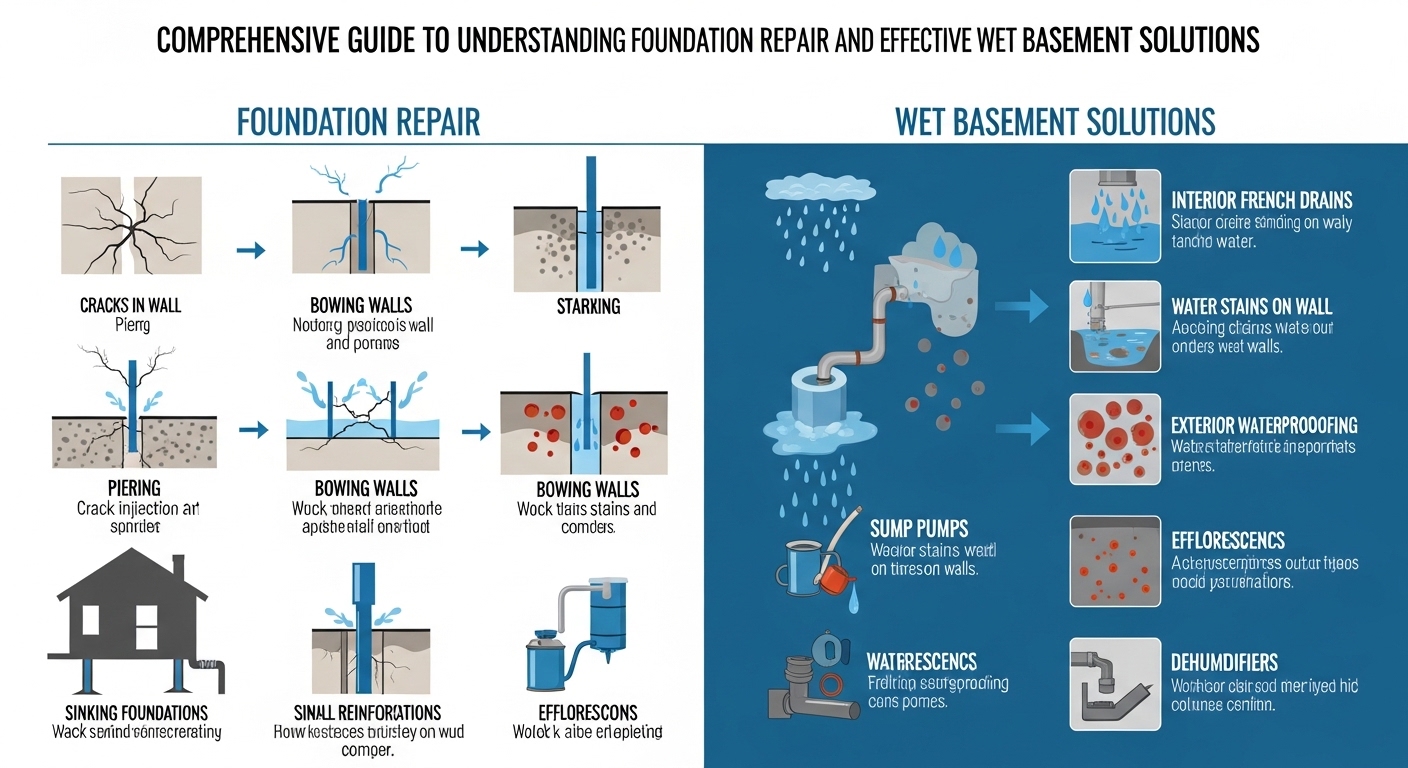
Foundations are the literal backbone of any structure. Without a solid foundation, a building cannot remain safe, stable, or durable over time. However, many property owners encounter issues related to foundation settling, cracking, water intrusion, and soil movement, all of which can compromise the integrity of a structure. Foundation repair is a critical investment that ensures the long-term stability and safety of a building while protecting the property’s value. Understanding the causes, signs, and methods of foundation repair is essential for anyone facing potential structural challenges.
Common Causes of Foundation Problems
Foundation problems typically arise due to a combination of soil conditions, environmental factors, construction practices, and maintenance habits. One of the most common causes is soil movement, which can occur when expansive clay soils swell during wet conditions and shrink during dry periods. This cyclical movement exerts pressure on the foundation, leading to cracks, uneven settling, and even bowing walls. Poor drainage around the building can exacerbate these issues by introducing excess water near the foundation, weakening the soil’s ability to support the structure.
Another significant factor is water intrusion. Basements and lower levels are particularly vulnerable to water accumulation, which not only damages walls and flooring but can also compromise the foundation itself. Prolonged exposure to moisture encourages the growth of mold and mildew, contributing to unhealthy indoor environments. Proper wet basement solutions are essential in addressing water-related foundation concerns and preventing further structural damage.
Additionally, construction-related issues can lead to foundation problems. Foundations that were poorly designed, inadequately reinforced, or constructed on unstable soil are more likely to experience issues over time. Even minor errors in grading, compaction, or concrete mixing can have long-term effects. Natural events, such as earthquakes, floods, or heavy storms, can also impact foundation stability. Recognizing the underlying cause of a foundation problem is the first step in determining the appropriate repair strategy.
Signs That Indicate Foundation Damage
Identifying foundation issues early can save significant time, money, and stress. Homeowners should pay attention to both subtle and obvious signs of damage. Common indicators include cracks in walls, floors, or ceilings, doors and windows that stick or fail to close properly, uneven or sloping floors, and gaps between walls and floors or ceilings. These signs often indicate that the foundation is shifting, settling, or experiencing stress.
Water-related damage is another warning signal. Persistent dampness in the basement, water stains, efflorescence (white powdery deposits on walls), or standing water are all indicators that the foundation may be compromised due to moisture intrusion. Wet basement solutions not only address the immediate water problems but also play a critical role in preventing further foundation deterioration.
Other less obvious signs include misaligned cabinetry, cracks in exterior masonry, and bowing or leaning walls. Homeowners may also notice cracks around chimneys, fireplaces, or exterior slabs. These signs may appear minor at first but can quickly escalate into significant structural problems if left unaddressed. Understanding the symptoms of foundation issues allows property owners to act proactively rather than reactively.
Methods and Techniques of Foundation Repair
Foundation repair involves a range of techniques, each tailored to the specific type of damage and soil conditions. One common method is underpinning, which strengthens the existing foundation by extending it to more stable soil layers. This technique often uses piers or pilings made from steel, concrete, or helical screws. Underpinning is particularly effective for structures experiencing settling or uneven foundation support.
Another widely used approach is slab jacking or mudjacking. This method involves injecting a mixture beneath a concrete slab to lift and level it. Slab jacking is commonly used for sunken driveways, patios, and flooring, as well as for certain basement applications. It offers a cost-effective and relatively quick solution for minor settling issues, though it may not be suitable for severe foundation failure.
For water-related problems, drainage solutions are essential. Installing interior or exterior drainage systems, such as French drains, sump pumps, and proper grading, helps prevent water accumulation around the foundation. Waterproofing walls and floors with membranes, sealants, or coatings can also protect the structure from moisture intrusion. In many cases, these measures are implemented as part of comprehensive wet basement solutions to address both immediate water problems and long-term foundation stability.
Helical piers, push piers, and micro-piles are additional tools for stabilizing foundations. These systems transfer the building’s weight to more stable soil or bedrock, providing a permanent solution for settling or sinking structures. Choosing the right method requires careful assessment of the foundation, soil conditions, and structural load. Experienced foundation repair specialists often conduct thorough inspections and recommend customized solutions based on precise measurements and engineering principles.
The Role of Wet Basement Solutions in Foundation Repair
Water management plays a crucial role in foundation repair. Excess water near the foundation not only weakens the soil but also increases the risk of cracks, bowing walls, and structural instability. Wet basement solutions are essential for both protecting the foundation and ensuring a safe, dry indoor environment. These solutions involve a combination of waterproofing techniques, drainage systems, and moisture control measures that prevent water accumulation and manage runoff effectively.
Interior drainage systems, such as perforated pipes installed along basement walls, guide water toward a sump pump, which then directs it away from the foundation. Exterior drainage, on the other hand, involves regrading the landscape, installing French drains, or applying exterior waterproof coatings to prevent water from reaching the foundation in the first place. These measures reduce hydrostatic pressure against basement walls, a major contributor to cracks and bowing.
In addition to structural benefits, wet basement solutions help preserve the usability of basement spaces. Many homeowners desire functional basements for recreation, storage, or living purposes. Effective waterproofing ensures that basements remain dry, safe, and free from mold or mildew growth. Implementing these solutions as part of a comprehensive foundation repair strategy enhances both the structural integrity and livability of a property.
Maintenance Practices to Protect Foundations
Even after a professional repair, ongoing maintenance is vital to protect foundations and prevent future issues. One of the simplest yet most effective practices is controlling water flow around the property. Gutters and downspouts should be clean, intact, and directed away from the foundation. Landscaping should slope away from the building to ensure proper runoff, and any pooling water should be addressed promptly.
Regular inspections are another important maintenance step. Homeowners should check for new cracks, water intrusion, or unusual settling signs. Monitoring the condition of sump pumps, drainage systems, and waterproofing membranes ensures that wet basement solutions remain effective over time. Addressing minor problems early prevents them from developing into major foundation issues.
Soil management is also key. Planting large trees or shrubs too close to the foundation can exacerbate soil movement, especially in clay-rich areas. Maintaining consistent moisture levels in the soil around the foundation helps reduce the expansion and contraction that leads to structural stress. Additionally, avoiding excessive weight near the foundation, such as heavy vehicles parked on soil without proper support, can reduce pressure on vulnerable areas.
Choosing the Right Professional for Foundation Repair
Selecting a qualified professional is critical to the success of any foundation repair project. Homeowners should seek contractors with extensive experience, proper licensing, and positive reviews or references. A reputable foundation repair specialist will conduct a thorough inspection, explain the findings in detail, and provide clear recommendations tailored to the specific situation.
Transparency in pricing and methodology is equally important. Reliable professionals outline the scope of work, materials used, timelines, and guarantees or warranties for their services. They also provide guidance on ongoing maintenance, including wet basement solutions, to ensure the long-term stability of the property. Attempting DIY foundation repair or hiring inexperienced contractors can lead to incomplete repairs, further damage, or unnecessary expenses.
Long-Term Benefits of Proper Foundation Repair
Investing in foundation repair provides numerous long-term benefits beyond immediate structural safety. A properly repaired foundation enhances the overall value of the property, reduces insurance risks, and prevents costly future repairs. Buildings with stable foundations experience fewer interior and exterior maintenance issues, such as sticking doors, cracked walls, or uneven flooring.
Furthermore, effective wet basement solutions protect the property’s interior from water damage, mold, and mildew, creating a healthier living environment. They also allow homeowners to utilize basement space more effectively, whether for storage, recreation, or additional living areas. By addressing both structural and moisture concerns, comprehensive foundation repair ensures that a property remains secure, functional, and comfortable for years to come.
Conclusion
Foundation repair is a complex but essential aspect of property maintenance. Understanding the causes of foundation issues, recognizing early warning signs, and implementing appropriate repair strategies ensures long-term stability and safety. Water management, particularly through effective wet basement solutions, plays a critical role in maintaining a strong foundation and protecting interior spaces from moisture-related damage.
Proactive maintenance, professional guidance, and carefully planned interventions allow homeowners to safeguard their investments while improving the durability and livability of their properties. By addressing foundation problems promptly and comprehensively, property owners can prevent structural deterioration, enhance the value of their buildings, and enjoy peace of mind knowing that the backbone of their home or building is secure. Foundation repair is not just a technical necessity; it is a long-term investment in safety, comfort, and sustainability.
 Oscar James S