

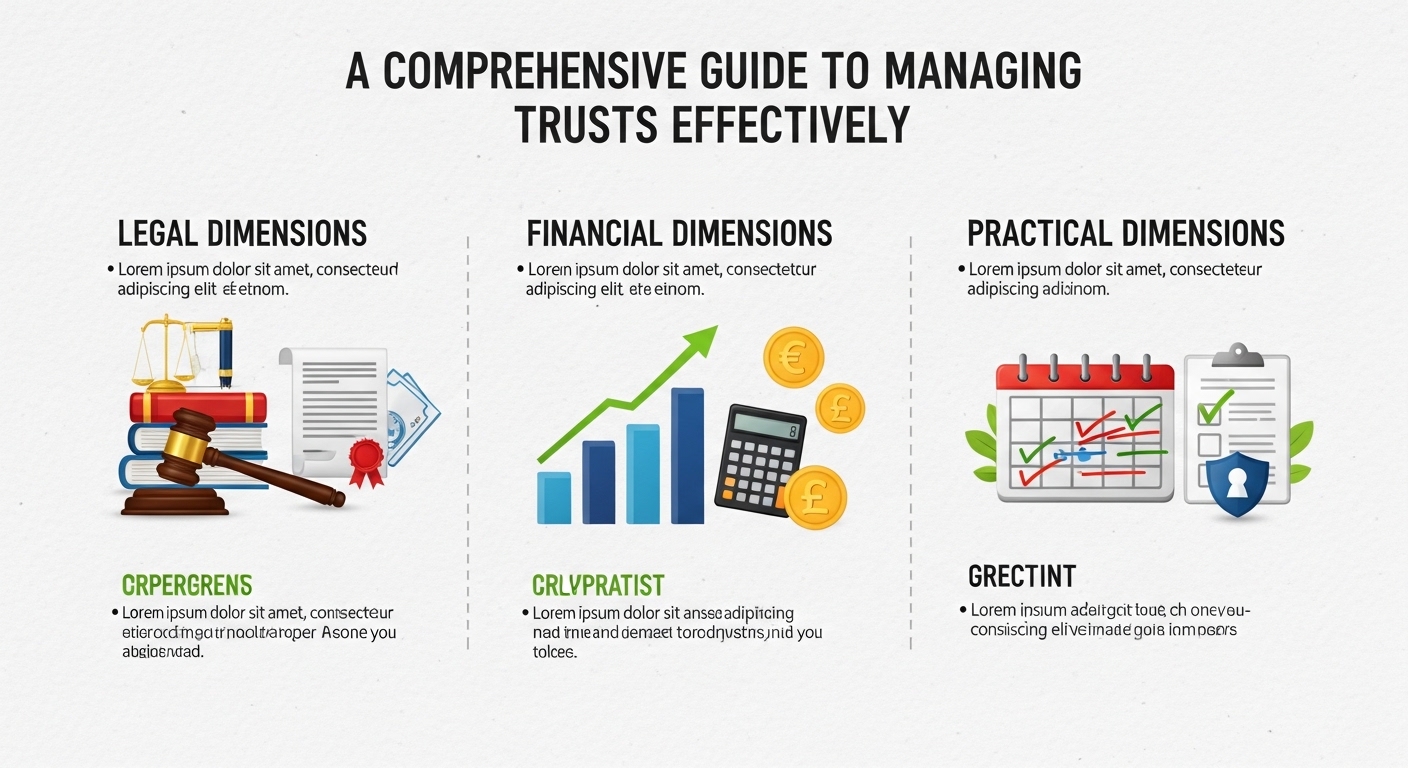
Introduction to the Purpose and Importance of Trust Management
Trusts have long been used as structured legal arrangements designed to protect assets, ensure orderly distribution of wealth, and provide clarity during times of transition. They are especially valuable for individuals seeking to safeguard family interests, manage complex estates, or establish long-term financial plans that extend beyond a single lifetime. While creating a trust is a significant step, the ongoing management of that trust is what ultimately determines its success, effectiveness, and compliance with legal obligations. This ongoing management process is commonly known as trust administration, and it plays a central role in ensuring that the intentions of the trust creator are honored while beneficiaries receive what they are entitled to under the law.
A trust does not operate on its own. It requires active oversight, careful decision-making, and consistent adherence to fiduciary standards. From managing assets and maintaining accurate records to communicating with beneficiaries and fulfilling tax responsibilities, the administration of a trust involves a wide range of duties that must be carried out with precision and integrity. Failure to do so can result in disputes, financial losses, or legal consequences that undermine the very purpose of establishing the trust in the first place.
Understanding the Core Responsibilities Involved in Managing a Trust
At the heart of any trust arrangement is the trustee, the individual or entity appointed to carry out the terms outlined in the trust document. The trustee’s responsibilities begin the moment the trust becomes active and continue until all terms of the trust have been fully satisfied. These responsibilities are not optional or flexible; they are legally binding duties that require diligence, transparency, and good faith.
One of the most fundamental responsibilities is the proper management of trust assets. This includes identifying and securing all assets placed into the trust, ensuring they are appropriately titled, and protecting them from unnecessary risk. Trustees must make informed investment decisions that align with the trust’s objectives, balancing growth and preservation according to the needs of the beneficiaries and the instructions provided by the trust creator.
Equally important is recordkeeping. Trustees are expected to maintain detailed and accurate records of all transactions, including income received, expenses paid, and distributions made. These records form the basis for reporting to beneficiaries and regulatory authorities, and they serve as critical documentation should any questions or disputes arise.
The Fiduciary Duty and Its Legal Significance
A defining feature of trust management is the fiduciary duty imposed on trustees. This duty requires trustees to act solely in the best interests of the beneficiaries, placing those interests above their own at all times. The fiduciary standard is one of the highest levels of legal responsibility, and it encompasses duties of loyalty, prudence, impartiality, and transparency.
The duty of loyalty means that trustees must avoid conflicts of interest and refrain from engaging in self-dealing or actions that could benefit them personally at the expense of the trust. The duty of prudence requires trustees to manage trust assets with reasonable care, skill, and caution, making informed decisions based on sound judgment rather than speculation or personal preference.
Impartiality is especially important when a trust has multiple beneficiaries with differing interests. Trustees must treat all beneficiaries fairly, even when balancing competing needs or expectations. Transparency, meanwhile, involves keeping beneficiaries informed about the trust’s activities, providing regular updates, and responding to reasonable requests for information in a timely manner.
The Role of Documentation and Ongoing Compliance
Trust management is not a one-time event but an ongoing process that requires continuous attention to legal and financial requirements. Trust documents serve as the governing framework, outlining the trustee’s authority, the rights of beneficiaries, and the specific instructions that must be followed. Trustees must be thoroughly familiar with these documents and ensure that all actions taken are consistent with their terms.
Compliance also extends beyond the trust document itself. Trustees must adhere to applicable laws and regulations, including tax rules, reporting obligations, and deadlines. Depending on the nature of the trust and its assets, this may involve filing annual tax returns, issuing beneficiary statements, or coordinating with financial institutions and professional advisors.
Failure to comply with these requirements can expose the trustee to personal liability and jeopardize the trust’s assets. As a result, many trustees seek professional guidance to ensure that their actions remain aligned with both legal standards and best practices.
Financial Management and Asset Oversight
Effective financial management is a cornerstone of successful trust operations. Trustees are responsible for safeguarding the trust’s assets while also ensuring that they are used in a manner consistent with the trust’s objectives. This often involves developing an investment strategy, monitoring performance, and making adjustments as circumstances change.
Income generated by trust assets must be properly allocated and distributed according to the trust’s terms. Expenses such as maintenance costs, professional fees, and taxes must be paid promptly and accurately. Trustees must also be prepared to respond to changing market conditions, economic shifts, or beneficiary needs that may require modifications to the trust’s financial approach.
Throughout this process, the principles of trust administration guide decision-making, emphasizing accountability, consistency, and adherence to the trust’s original intent. This structured approach helps ensure that financial decisions support long-term stability rather than short-term convenience.
Communication With Beneficiaries and Stakeholders
Clear and consistent communication is essential for maintaining trust and minimizing misunderstandings. Beneficiaries often rely on trustees for information about the trust’s status, expected distributions, and any changes that may affect their interests. Proactive communication can help manage expectations, reduce anxiety, and prevent conflicts before they escalate.
Trustees should provide regular reports that summarize the trust’s financial performance, outline distributions made, and explain any significant decisions or changes. When beneficiaries have questions or concerns, timely and respectful responses are critical. Open communication fosters transparency and reinforces the trustee’s commitment to acting in the beneficiaries’ best interests.
In more complex situations, trustees may also need to coordinate with attorneys, accountants, financial advisors, and other professionals. Effective collaboration among these stakeholders ensures that the trust operates smoothly and remains compliant with all applicable requirements.
Tax Considerations and Reporting Obligations
Tax compliance is one of the more technical aspects of managing a trust, but it is also one of the most important. Trusts are often subject to specific tax rules that differ from those applicable to individuals or businesses. Trustees must understand how income, deductions, and distributions are treated for tax purposes and ensure that all required filings are completed accurately and on time.
This may involve preparing annual income tax returns for the trust, issuing tax documents to beneficiaries, and making estimated tax payments when necessary. Trustees must also be aware of how distributions affect beneficiaries’ tax liabilities and communicate this information clearly to avoid surprises.
Given the complexity of tax regulations, professional assistance is often advisable. Working with qualified tax professionals can help trustees navigate these obligations efficiently and reduce the risk of errors or penalties.
Addressing Challenges and Resolving Disputes
Even with careful planning and diligent management, challenges can arise during the life of a trust. Disputes among beneficiaries, disagreements over interpretations of the trust document, or unexpected changes in circumstances can complicate the administration process. When these issues occur, trustees must respond thoughtfully and in accordance with their fiduciary duties.
Resolving disputes often involves clear documentation, open communication, and, when necessary, mediation or legal intervention. Trustees should avoid taking sides or making unilateral decisions that could be perceived as biased. Instead, they should focus on upholding the trust’s terms and seeking fair, lawful resolutions that align with the trust’s purpose.
By approaching challenges with professionalism and objectivity, trustees can protect the trust’s integrity and maintain confidence among all parties involved.
Long-Term Perspective and Responsible Oversight
One of the defining characteristics of effective trust management is a long-term perspective. Trusts are often designed to operate over many years, sometimes spanning generations. Trustees must consider not only immediate needs but also future implications, ensuring that decisions made today do not compromise the trust’s ability to fulfill its purpose in the years ahead.
This forward-looking approach requires regular review of the trust’s performance, reassessment of investment strategies, and ongoing evaluation of beneficiary needs. It also involves staying informed about changes in laws, financial markets, and best practices that may impact the trust’s operations.
Within this broader framework, trust administration serves as the guiding structure that brings together legal compliance, financial stewardship, and ethical responsibility. When executed properly, it provides stability, clarity, and confidence for everyone involved.
Conclusion on the Value of Diligent Trust Management
Managing a trust is a complex and demanding responsibility that extends far beyond basic asset handling. It requires a deep understanding of legal obligations, financial principles, and human dynamics, all carried out under the strict standards of fiduciary duty. Trustees who approach this role with care, transparency, and professionalism play a critical role in preserving wealth, honoring intentions, and supporting beneficiaries over time.
By embracing the principles of trust administration, maintaining clear communication, and seeking appropriate professional support when needed, trustees can navigate challenges effectively and ensure that the trust fulfills its intended purpose. In doing so, they not only protect the trust’s assets but also uphold the trust and confidence placed in them by those they serve.
 Oscar James S