

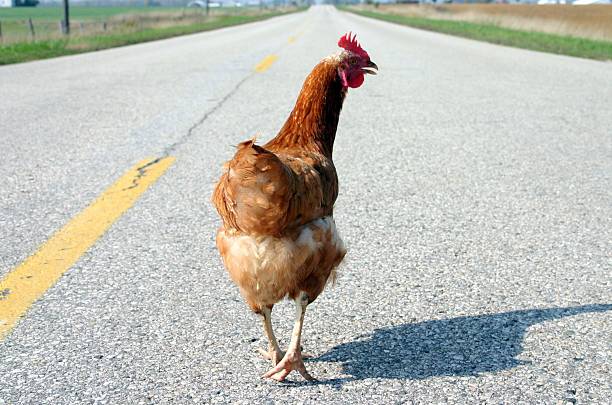
Obrazová podoba určuje každé rozhodnutí, jaké hráč v Chicken Cross Game udělá, od prvního spinu po závěrečné výplatě chicken-cross.eu. Detailní textury, plynulé animace a konzistentní barevné palety vytvářejí vtahující prostředí, jež náležitě oceňuje soustředěný pohled. Renderovací engine ovlivňuje, jak na sebe symboly reagují, jak vizuální triky akcentují výhry a jak interface vede oko během rychlých sekvencí. Znalost těchto stylistických řešení napomáhá hráčům zhodnotit, zda hra dodává přehlednost a napětí, jakou očekávají, než se odhodlají k peněžním vkladům.
Artistic Direction and Thematic Cohesion
Artistic direction in Chicken Cross Game creates a consistent visual language that unifies every element on the reels. The developer chooses a harmonious palette that mixes bright foreground characters with muted background layers, guaranteeing that symbols remain readable at every zoom level. Steady line weights and shadow directions create depth without clutter, so the eye moves naturally from one reel to the next. This approach prevents visual fatigue during extended sessions and aids quick recognition of winning combinations.
Background environments strengthen the theme without struggling for attention. Subtle parallax scrolling adds motion while the reels stay in focus, and lighting changes during bonus rounds signal a shift in game state. The same artistic rules hold true to the user interface, where button shapes, icon sizes, and typography align with the reel artwork. Players experience a seamless world rather than a collection of disconnected screens.
Environmental storytelling goes beyond static imagery. Distant farm structures alter perspective as the camera angle changes during win celebrations, and weather effects such as drifting pollen or soft rain strengthen only after significant payouts. These layered details please players who maintain the game open for long periods without ever distracting from the core reel action.
Audiovisual Alignment
Audio design reinforces visual events instead of repeating them. A ascending tone aligns with the growth of a multiplier banner, while a subtle impact marks the moment particles dissipate. These pairings create a feedback loop that helps players perceive outcomes more rapidly than either sense could achieve alone.
Volume curves are tuned so that symbol animations don’t compete with voice-over or win tally sounds. When multiple effects activate at once, the engine favors the most recent payout event, reducing secondary layers by default. This hierarchy maintains the soundtrack dynamic without turning into noise, supporting longer play sessions without listener fatigue.
Cross-modal cues extend to haptic feedback on supported devices. A short vibration follows the final feather burst of a large win, translating visual magnitude into a tactile signal. This additional channel proves especially useful in noisy environments where audio cues might otherwise be missed.
Performance Across Monitor Formats
Dynamic adjustment begins at the element stage rather than the design tier. Vector-based interface components adjust outline weight automatically, while pixel-based imagery uses different resolution versions loaded according to device pixel density. The game detects available bandwidth on first load and substitutes lighter particle sets if necessary, keeping frame rate over visual density.
Ratio control avoids warping by anchoring the reels to a safe central zone and expanding background art outward. On ultrawide monitors the extra space fills with atmospheric details that do not affect gameplay calculations. Mobile portrait mode stacks the control panel beneath the reels, preserving tap targets above the recommended minimum size for touch accuracy.
Device-specific tuning continues after launch. Telemetry data informs weekly adjustments that refine draw distances on older tablets or increase shadow resolution on flagship phones. Players observe these refinements only as smoother performance rather than visible redesigns.
Interface Clarity and Content Prioritization
The dashboard uses permanent placements for primary features so habitual response develops quickly. Wager controls sit below the reels, while the prize chart button occupies the upper right corner, accessible within one tap or click. Typeface thicknesses increase for the active wager and final prize sections, attracting attention without requiring color changes that might clash with the design theme.
During autoplay sequences, a minimal progress indicator replaces the full control set, showing leftover rounds and a single stop button. This reduction prevents mistaken taps while maintaining reach to critical details. All text elements respect a minimum contrast ratio against their backgrounds, fulfilling accessibility guidelines without changing the creative vision.
Information density adjusts adaptively based on gaming time. After thirty minutes the game subtly enlarges the results display, allowing veteran visitors to review past rounds without opening a different window. This progressive disclosure keeps new players oriented while giving experienced users deeper context at a glance.
Symbol Presentation and Motion Accuracy
Each symbol undergoes dedicated focus to texture application and animation timing. Minor symbols show clean geometry that stays sharp at tiny dimensions, while high-value icons utilize extra geometry and particle effects for richer movement. When a winning line forms, the animation sequence initiates with a targeted flash, then extends, offering the player a obvious visual indicator without hiding nearby reels.
Refresh rates remain stable across hardware because the performance allocation is distributed according to icon priority. High-tier characters are given additional frames for ambient motion or wing movements, whereas basic symbols feature shorter loops that remain legible. This chosen level of detail avoids the system from getting bogged down while maintaining the feeling that all symbols is part of the same universe.
Ambient motions also communicate symbol order. The gold egg icon rocks gently on its straw nest, while the ordinary feed bag stays still until a win triggers. Such subtle animations train players to identify high-value symbols instantly, shortening the effort reviewing the grid after each spin.
Particle Systems On Winning Spins
Particle effects activate only after a payout minimum is reached, conserving power during base gameplay. Golden sparks or feather explosions adjust their density with the win amount, offering direct indication on result magnitude. The particles take set paths that stay clear of obscuring win line markers, so players can continue to see which symbols were part of the final amount.
Layered Lighting on Special Symbols
Wild and scatter icons feature an additional emissive layer that beats at a lower frequency than the core animation. This additional shine can still be seen even when the icon is placed behind a multiplier sign, making sure that its special nature is never hidden. Color temperature shifts, from warm tones to cool tones, differentiate between regular wild substitutions and enhanced versions that appear in special rounds.

Emissive intensity also adapts to environmental brightness measured by the hardware. On sunlit displays the glow strengthens, while in low-light settings it diminishes to reduce visual fatigue. This self-adjustment keeps bonus symbols noticeable without demanding user brightness changes from the player.
Performance Tuning and Future Updates
The graphics pipeline utilizes texture atlases and GPU instancing to minimize draw calls, allowing the same engine to serve both desktop and mobile clients from a single codebase. Developers issue patch notes that specify specific art revisions, such as increased polygon counts on premium symbols or adjusted particle counts for older hardware. Players can review these notes to predict performance changes after each update.
Because the game operates inside a browser container, incremental downloads update only modified assets. This approach keeps initial load times low while still enabling high-fidelity additions later. Users who encounter stuttering can activate a “performance mode” that swaps in simplified shaders, a setting that carries over across sessions and devices linked to the same account.

Future updates will add optional ray-traced reflections on water puddles within the farmyard backdrop. Early internal tests reveal a modest frame-rate cost on mid-range hardware, so the feature will remain off by default. Players who turn on it on newer GPUs will observe richer environmental depth without any change to core mechanics.
Judging Graphics Quality Before Playing
Future players can evaluate visual performance with no financial commitment by opening the free-play version in their browser. Observing frame consistency during bonus triggers and verifying whether text remains crisp at maximum zoom provides practical data. If the demo maintains sixty frames per second on the target device, real-money sessions are likely to feel equally smooth.
Contrasting the paytable illustrations with the live symbols provides another quick check. Any noticeable drop in sharpness or color depth between the two shows that the device may be substituting lower-resolution assets. Modifying the browser zoom level or closing background applications often restores intended quality without changing game settings.
Graphics quality in Chicken Cross Game functions as both an aesthetic choice and a usability feature. Clear symbol hierarchy, stable performance, and synchronized feedback together decrease cognitive load and aid informed betting decisions. Players who verify these elements during the demo acquire confidence that the visual layer will enhance rather than hinder their experience when real stakes are involved. Before committing funds, allocate at least fifteen minutes in the demo, deliberately activating every bonus round available, and notice whether any visual element ever blocks critical information. This single habit distinguishes informed players from those surprised by performance drops after deposits are placed.