

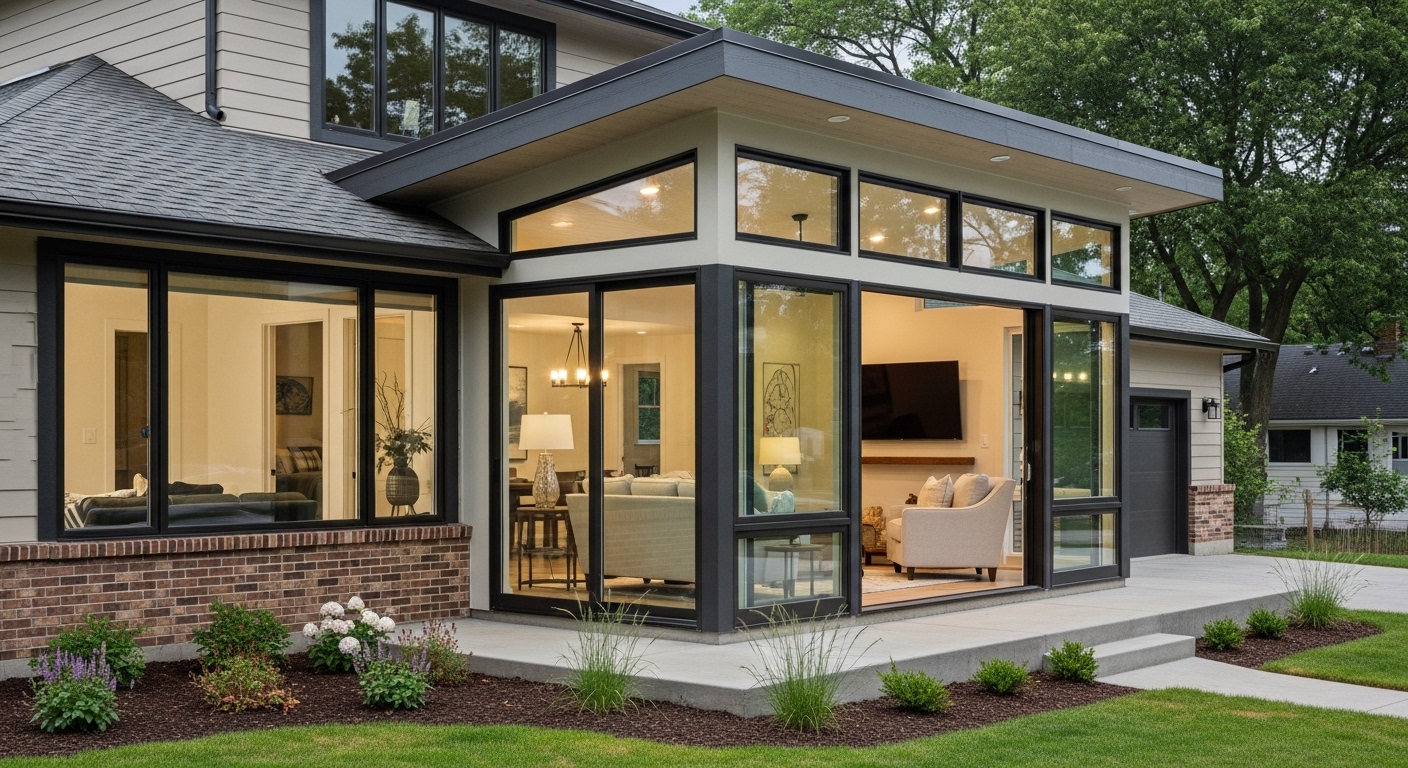
A home addition is one of the most effective ways to increase living space while preserving the familiarity and comfort of an existing home. As families grow, lifestyles evolve, and needs change, homeowners often find that their current space no longer supports how they live. Rather than relocating, a thoughtfully planned home addition allows homeowners to adapt their property to meet new requirements without leaving a familiar neighborhood or community.
Home additions are more than just construction projects; they are strategic investments that impact functionality, aesthetics, and long-term value. Whether the goal is to add a bedroom, expand a kitchen, create a home office, or build a multi-purpose living area, a well-executed addition can significantly improve quality of life. Understanding the planning process, design considerations, construction phases, and long-term implications is essential for achieving a successful outcome.
Understanding the Purpose of a Home Addition
A home addition is the process of expanding an existing structure by adding new square footage. This expansion can take many forms, including horizontal extensions, vertical additions, or conversions of existing spaces. The purpose of a home addition varies depending on household needs, but the underlying goal remains the same: to create additional usable space that integrates seamlessly with the original structure.
For many homeowners, a home addition addresses practical needs such as accommodating a growing family, creating private spaces, or supporting multigenerational living. Others pursue additions to improve functionality, such as adding storage, enhancing accessibility, or creating dedicated work or leisure areas. In all cases, the success of a home addition depends on careful planning and alignment with long-term goals.
A well-designed addition should feel like a natural extension of the home rather than an afterthought. When design, materials, and proportions are handled correctly, the addition enhances the overall character of the property while improving daily living.
Types of Home Additions
Home additions come in various forms, each suited to different needs, property layouts, and budgets. Understanding the most common types helps homeowners identify the best approach for their situation.
Room additions are among the most popular options, providing extra bedrooms, living rooms, or dining areas. These additions typically expand the footprint of the home and require foundation work, framing, roofing, and finishing.
Second-story additions increase living space without expanding outward, making them ideal for properties with limited lot size. While more complex structurally, vertical additions offer significant square footage and preserve yard space.
Bump-out additions are smaller extensions that expand existing rooms, such as kitchens or bathrooms. These additions are often more cost-effective and focus on improving functionality rather than adding entirely new rooms.
Garage conversions and sunrooms are also common forms of home additions. These projects repurpose or extend existing structures, creating versatile spaces that can be adapted for various uses.
Each type of home addition has unique considerations related to structure, design, and cost, making it important to choose the option that best aligns with homeowner needs and property conditions.
Planning and Design Considerations
Successful home additions begin with detailed planning and thoughtful design. This stage determines how well the new space integrates with the existing home and how effectively it meets functional requirements.
Design considerations include layout, traffic flow, natural light, and architectural consistency. The addition should complement the original structure in terms of rooflines, exterior materials, and proportions. Interior design elements such as ceiling height, flooring, and finishes should also align with the rest of the home to create a cohesive experience.
Functional planning is equally important. The placement of doors, windows, and transitions between old and new spaces affects usability and comfort. Storage, accessibility, and future adaptability should be considered to ensure long-term value.
During the planning phase, homeowners must also consider zoning regulations, building codes, and setback requirements. Understanding these constraints early helps avoid delays and ensures compliance throughout the project.
Budgeting and Cost Factors
Budgeting is a critical aspect of any home addition project. Costs vary widely depending on size, complexity, materials, and labor requirements. Establishing a realistic budget helps guide design decisions and prevents unexpected financial strain.
Key cost factors include site preparation, foundation work, structural framing, roofing, electrical and plumbing systems, insulation, finishes, and permits. Custom features, high-end materials, and complex designs can significantly increase costs.
Homeowners should also account for contingency funds to cover unforeseen issues such as structural repairs or design modifications. Transparent budgeting and clear communication throughout the project help maintain financial control and reduce stress.
While home additions require a significant investment, they often provide strong returns in terms of property value, functionality, and long-term satisfaction.
Construction Process and Timeline
The construction phase of a home addition follows a structured sequence designed to ensure safety, quality, and efficiency. While timelines vary, understanding the general process helps homeowners prepare for the project.
Construction typically begins with site preparation and foundation work, followed by framing and structural integration. Roofing and exterior finishes protect the new space from the elements, while interior systems such as electrical, plumbing, and HVAC are installed next.
Insulation, drywall, flooring, and finishes complete the interior, transforming the addition into a functional living area. Final inspections ensure compliance with building codes and confirm that systems operate correctly.
Throughout construction, communication and coordination are essential. Temporary disruptions to daily routines are common, but careful planning minimizes inconvenience and ensures a smoother experience.
Structural Integration and Safety
Structural integrity is a cornerstone of successful home additions. The new space must be properly connected to the existing structure to ensure stability, durability, and safety.
This process involves assessing load-bearing walls, foundation capacity, and roof connections. Reinforcements may be required to support additional weight or changes in layout. Proper structural planning prevents issues such as settling, cracking, or uneven floors.
Safety considerations extend beyond structure to include fire protection, ventilation, and accessibility. Compliance with building codes ensures that the home addition meets safety standards and protects occupants over the long term.
Energy Efficiency and Sustainability
Modern home additions increasingly emphasize energy efficiency and sustainability. Adding space presents an opportunity to improve insulation, upgrade windows, and incorporate energy-efficient systems.
Proper insulation and air sealing reduce heat loss and improve indoor comfort. Energy-efficient lighting, appliances, and HVAC systems contribute to lower utility costs and reduced environmental impact.
Sustainable material choices and responsible construction practices further enhance the long-term benefits of a home addition. Designing with efficiency in mind ensures that the expanded home remains comfortable and cost-effective to operate.
Home Additions and Lifestyle Enhancement
Beyond increasing square footage, home additions have a profound impact on lifestyle. Additional space allows households to adapt to changing needs, whether accommodating remote work, hobbies, or family gatherings.
A well-designed addition improves privacy, organization, and flexibility. It can reduce overcrowding, support healthier routines, and enhance overall well-being. By tailoring the space to specific needs, homeowners create environments that support daily life more effectively.
Lifestyle-focused design ensures that the home addition delivers practical benefits rather than unused space. Thoughtful planning transforms added square footage into meaningful living areas.
Impact on Property Value
Home additions often increase property value by enhancing functionality and market appeal. Buyers are drawn to homes with ample space, modern layouts, and cohesive design.
The return on investment depends on factors such as location, design quality, and alignment with market preferences. Additions that improve core living spaces typically offer the strongest value impact.
Even for homeowners not planning to sell, the increased value represents financial security and long-term benefit. A well-executed home addition strengthens the overall asset while improving daily comfort.
Common Challenges and How to Avoid Them
Home addition projects can present challenges, including budget overruns, design mismatches, and construction delays. These issues often stem from inadequate planning or unclear communication.
To avoid common pitfalls, homeowners should establish clear goals, work with experienced professionals, and maintain open dialogue throughout the project. Detailed planning, realistic timelines, and contingency strategies reduce the likelihood of unexpected complications.
Addressing challenges proactively ensures a smoother process and a more satisfying final result.
Long-Term Maintenance and Care
After completion, a home addition requires ongoing maintenance similar to the rest of the house. Proper care preserves appearance, performance, and value over time.
Routine inspections, cleaning, and minor repairs help prevent larger issues. Consistent maintenance ensures that the addition continues to integrate seamlessly with the original structure.
Planning for long-term care during the design phase simplifies maintenance and enhances durability.
Conclusion
A home addition is a powerful way to transform a living environment, offering increased space, improved functionality, and enhanced property value. By carefully planning design, budgeting, construction, and long-term care, homeowners can achieve results that support both current needs and future goals.
When executed thoughtfully, a home addition becomes an integral part of the home rather than a separate structure. It enhances daily life, adapts to changing lifestyles, and represents a meaningful investment in comfort and quality of living.