

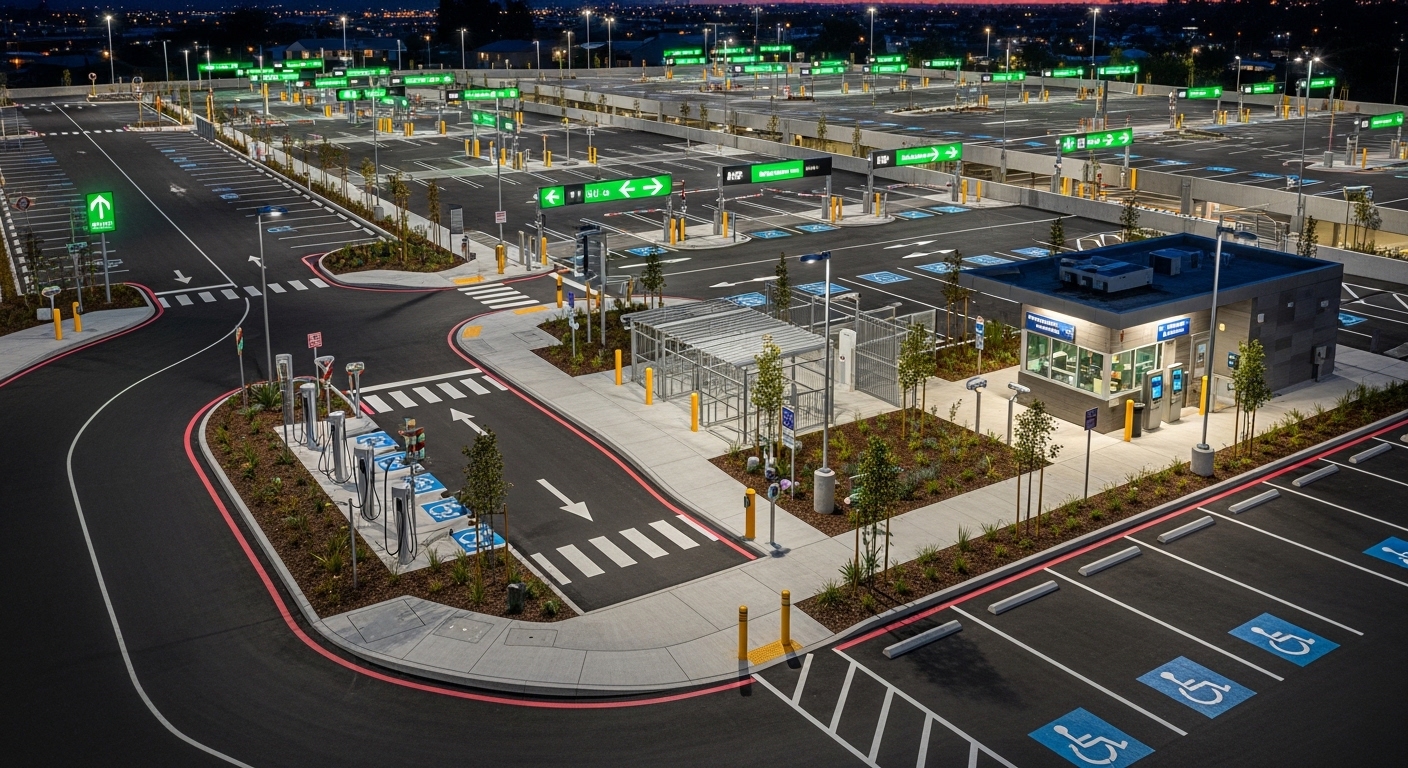
A parking lot is far more than an open space for vehicles; it is a vital component of urban infrastructure that directly affects accessibility, safety, traffic flow, and the overall experience of drivers and pedestrians. Whether serving commercial properties, residential complexes, healthcare facilities, educational institutions, or public venues, a well-designed parking lot contributes to functionality, convenience, and long-term property value. Poorly planned or maintained parking areas, on the other hand, can create congestion, safety hazards, and frustration, ultimately diminishing the usability of the surrounding property.
Modern parking lot planning requires careful consideration of layout, durability, traffic patterns, accessibility standards, and evolving transportation needs. As cities grow and vehicle usage continues to change, parking lots must balance efficiency with safety while accommodating both drivers and pedestrians. Understanding how parking lots function, how they are designed, and how they are maintained provides insight into their critical role in everyday mobility and property management.
Understanding the Purpose of a Parking Lot
The primary purpose of a parking lot is to provide an organized, accessible, and safe location for vehicles to park while users access nearby destinations. Beyond simple storage of vehicles, parking lots influence how people interact with a space, how traffic moves around a property, and how efficiently businesses or facilities operate. A properly designed parking lot reduces congestion, improves circulation, and ensures that vehicles can enter and exit smoothly without unnecessary delays.
Parking lots also serve as transitional spaces between vehicles and buildings. The experience of navigating a parking lot often shapes a visitor’s first impression of a property. Clear signage, smooth pavement, proper lighting, and intuitive layout all contribute to a positive experience, while poorly maintained surfaces or confusing traffic patterns can create stress and dissatisfaction before a visitor even reaches their destination.
Types of Parking Lots
Parking lots vary widely depending on their intended use, location, and capacity requirements. Commercial parking lots are commonly found at retail centers, office buildings, and restaurants, where frequent turnover and easy access are essential. These lots prioritize efficient circulation and visibility, allowing customers to park quickly and move on with their activities.
Residential parking lots serve apartment complexes, condominiums, and gated communities, where long-term parking and security are more important than high turnover. These areas often incorporate assigned spaces, controlled access, and lighting designed to support safety during evening hours.
Institutional parking lots, such as those at hospitals, schools, and government facilities, must accommodate diverse users, including employees, visitors, emergency vehicles, and service providers. These lots require thoughtful zoning, accessibility compliance, and clear wayfinding to manage high traffic volumes and varying parking durations.
Public and municipal parking lots support urban centers, transit hubs, and recreational areas, often integrating payment systems, time limits, and enforcement measures to manage demand and ensure fair usage.
Parking Lot Design and Layout
Effective parking lot design begins with a layout that prioritizes safety, efficiency, and ease of navigation. Proper spacing, angled or perpendicular parking configurations, and clearly marked lanes help guide drivers intuitively through the lot. Traffic flow should minimize sharp turns, blind spots, and crossing conflicts between vehicles and pedestrians.
Pedestrian safety is a crucial aspect of design. Walkways, crosswalks, and curb ramps should be clearly defined and separated from vehicle lanes whenever possible. Strategic placement of entrances and exits reduces congestion and improves overall circulation. Landscaping elements, when used thoughtfully, can enhance aesthetics without obstructing visibility or movement.
Design must also account for accessibility standards, ensuring that designated accessible parking spaces are located close to entrances and comply with regulatory requirements. These spaces should be clearly marked and connected to accessible routes that allow all users to move safely and comfortably.
Surface Materials and Construction
The durability and performance of a parking lot depend heavily on the materials used in its construction. Asphalt and concrete are the most common surface materials, each offering distinct advantages. Asphalt provides flexibility, cost efficiency, and ease of repair, making it suitable for many commercial and residential applications. Concrete offers greater longevity and strength, particularly in areas with heavy traffic or frequent loading.
Proper grading and drainage are essential components of construction. A well-designed parking lot directs water away from the surface, preventing pooling, erosion, and premature deterioration. Sub-base preparation, compaction, and reinforcement ensure that the surface can withstand daily use, weather fluctuations, and long-term wear. Investing in quality construction reduces maintenance costs and extends the lifespan of the parking lot.
Lighting and Visibility
Lighting plays a critical role in parking lot safety and usability. Adequate illumination improves visibility for drivers and pedestrians, reduces the risk of accidents, and enhances security during evening and nighttime hours. Lighting should be evenly distributed, minimizing dark areas and glare while ensuring that signage, walkways, and parking spaces are clearly visible.
Modern lighting solutions often incorporate energy-efficient LED fixtures, which provide consistent illumination while reducing energy consumption and maintenance costs. Well-planned lighting not only improves safety but also contributes to a welcoming environment that encourages use and supports extended operating hours for businesses and facilities.
Parking Lot Safety and Security
Safety and security are central to effective parking lot management. Clear signage, speed control measures, and visible lane markings help regulate driver behavior and reduce accidents. Security features such as surveillance cameras, emergency call stations, and controlled access points provide additional layers of protection, particularly in high-traffic or long-term parking areas.
Pedestrian safety measures, including crosswalks, signage, and traffic calming features, reduce conflicts between vehicles and foot traffic. Regular inspections and prompt repairs of surface damage, lighting issues, or signage wear ensure that safety standards are consistently maintained.
Maintenance and Upkeep
Ongoing maintenance is essential to preserving the functionality and appearance of a parking lot. Over time, exposure to traffic, weather, and environmental conditions can cause cracks, potholes, fading markings, and drainage issues. Addressing these problems early prevents more extensive damage and costly repairs.
Routine maintenance includes sealcoating, crack filling, line striping, signage updates, and drainage system inspections. Regular cleaning removes debris, oil stains, and trash, improving both safety and aesthetics. A well-maintained parking lot reflects positively on the property it serves, signaling professionalism, care, and attention to detail.
Technology and Modern Parking Solutions
Technology has significantly transformed parking lot management and user experience. Automated payment systems, license plate recognition, digital signage, and mobile apps streamline access, payment, and enforcement. These solutions reduce congestion at entry and exit points while providing real-time information about availability.
Smart parking systems also generate valuable data that helps property managers optimize space usage, adjust pricing strategies, and plan future improvements. As urban environments become more data-driven, technology continues to enhance efficiency and convenience in parking lot operations.
Environmental and Sustainability Considerations
Modern parking lot design increasingly incorporates sustainable practices to reduce environmental impact. Permeable pavement systems allow water to filter through the surface, reducing runoff and supporting groundwater recharge. Green landscaping, shade trees, and bioswales improve aesthetics while mitigating heat and managing stormwater.
Electric vehicle charging stations are becoming a common feature in parking lots, supporting the transition to cleaner transportation. Energy-efficient lighting, recycled materials, and thoughtful site planning align parking facilities with broader sustainability goals while meeting evolving user expectations.
The Role of Parking Lots in Urban Mobility
Parking lots are an integral part of urban mobility systems. When strategically located and well-managed, they reduce congestion, support public transportation, and improve access to key destinations. Poorly planned parking, however, can contribute to traffic bottlenecks, unsafe conditions, and inefficient land use.
By integrating parking lots with transit hubs, pedestrian pathways, and cycling infrastructure, cities can create balanced transportation networks that support diverse mobility options. Parking lots that are designed with flexibility in mind can adapt to changing transportation trends and future needs.
Conclusion: The Importance of Thoughtful Parking Lot Design
A parking lot is more than a functional necessity; it is a critical element of safety, accessibility, and overall property performance. Thoughtful design, quality construction, regular maintenance, and modern technology all contribute to parking lots that serve users efficiently while enhancing the surrounding environment.
Whether supporting a commercial center, residential complex, or public facility, a well-designed parking lot improves traffic flow, reduces stress, and creates a positive first impression. As transportation needs evolve, parking lots must continue to adapt, balancing functionality, sustainability, and user experience. Investing in proper planning and management ensures that parking lots remain valuable assets that support daily mobility and long-term property success.
 adam@frontierinfo.com