

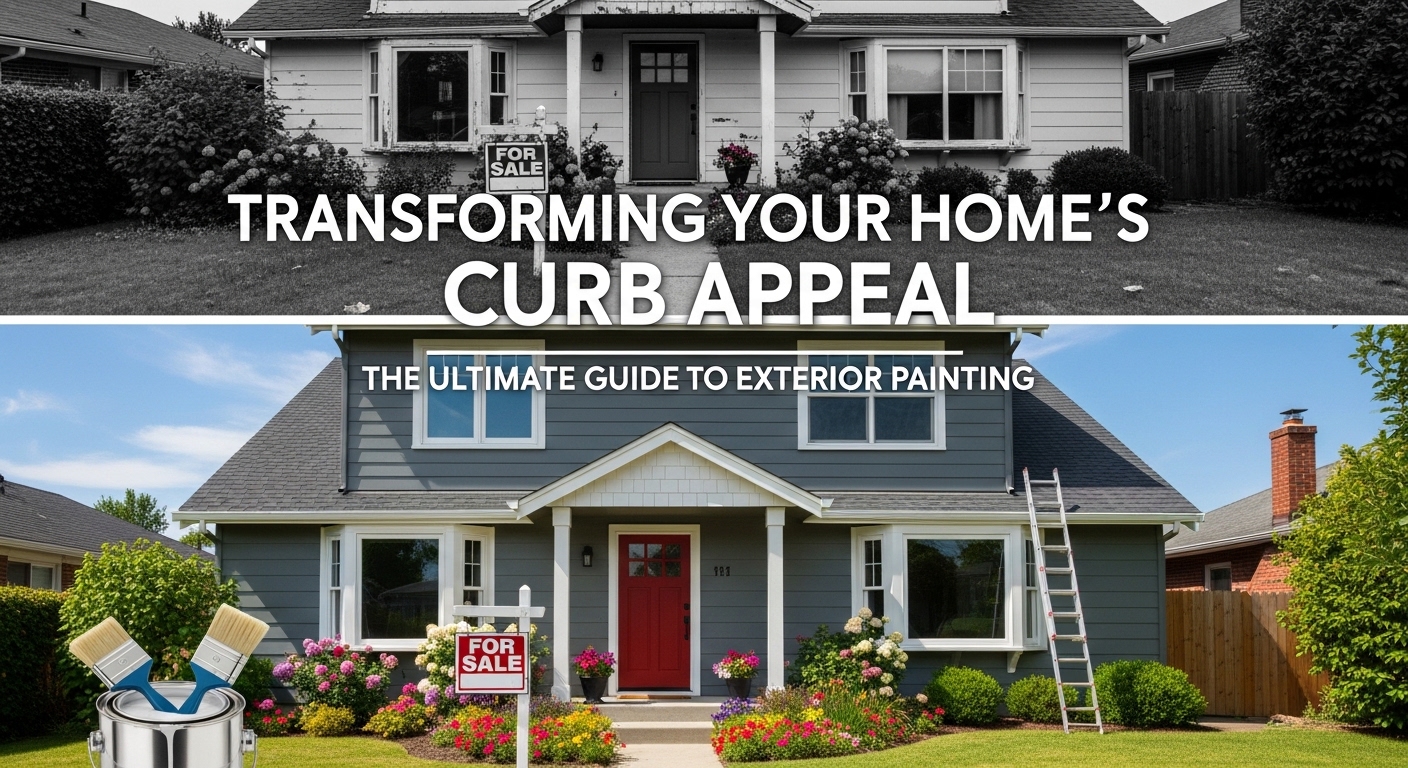
When it comes to enhancing the visual appeal and longevity of a home, few projects are as transformative as exterior painting. This seemingly straightforward task does more than just change the color of your house: it protects your property, increases its market value, and sets the tone for the entire neighborhood. Whether you are planning a subtle refresh or a complete transformation, understanding the intricacies of exterior painting is essential to achieving professional results that stand the test of time.
Understanding the Importance of Exterior Painting
Exterior painting is not just about aesthetics. While a fresh coat of paint can instantly rejuvenate the look of your home, it also serves as a critical protective barrier against environmental factors. Homes face constant exposure to sunlight, rain, wind, and fluctuating temperatures, all of which can cause deterioration over time. Proper exterior painting creates a shield that prevents moisture from seeping into the underlying structure, reduces the risk of mold and mildew growth, and helps maintain the integrity of siding materials, whether wood, vinyl, stucco, or brick.
Moreover, exterior painting contributes significantly to energy efficiency. Reflective or light-colored paints can help regulate indoor temperatures by reflecting heat away during hot months, reducing reliance on cooling systems. On the other hand, darker shades can absorb heat during colder months, contributing to natural warmth. This subtle yet impactful aspect of exterior painting can translate into savings on energy bills while also promoting sustainability.
Choosing the Right Paint and Materials
One of the most critical decisions in exterior painting is selecting the right paint. Not all paints are created equal, and using substandard materials can lead to peeling, fading, and premature wear. High-quality exterior paints are formulated to withstand harsh weather conditions and resist fading caused by UV exposure. Additionally, they often include mildewcides and fungicides, offering an extra layer of protection against environmental damage.
Surface preparation is equally important. For exterior painting to be successful, the surface must be clean, dry, and free of any previous peeling paint or debris. Power washing the siding is a common practice to remove dirt, mildew, and grime, ensuring that the new paint adheres properly. Sanding rough areas, filling cracks, and priming bare surfaces are steps that can significantly enhance the durability and finish of the paint job.
Choosing the right paint finish is another consideration. While flat or matte finishes can hide imperfections, they may not be as durable as satin or semi-gloss finishes, which are easier to clean and more resistant to the elements. Consider the material of your home’s exterior and the environmental conditions in your area to select the most suitable finish.
Planning and Preparing for the Project
Successful exterior painting requires meticulous planning. Start by assessing the scope of the project, identifying areas that require repair or special attention. Setting a realistic timeline ensures that each stage from preparation to final coat—is completed thoroughly without compromising quality.
Safety should be a top priority when preparing for exterior painting. Working on ladders, scaffolding, or elevated surfaces poses risks, and proper precautions are necessary to prevent accidents. Wearing protective gear, securing work areas, and following manufacturer guidelines for paint application are essential steps to maintain safety throughout the project.
Budgeting is another critical element. While it may be tempting to cut costs by using cheaper materials or skipping prep work, investing in quality paint and proper surface preparation pays off in the long run. A well-executed exterior painting project can last 10-15 years or more, reducing the frequency of repainting and minimizing maintenance costs.
Techniques for a Professional Finish
Achieving a professional-looking exterior painting job requires more than just applying paint to walls. Attention to detail, technique, and the right tools make a significant difference in the final outcome. Using high-quality brushes, rollers, and sprayers can improve coverage and ensure smooth, even coats.
For intricate areas, such as trim, shutters, and doors, using a smaller brush allows for precise application and clean lines. When using rollers, working in sections and maintaining a wet edge prevents streaks and lap marks. Sprayers are excellent for covering large surfaces quickly, but proper masking and protection of surrounding areas are necessary to avoid overspray.
Applying multiple coats is often recommended, especially when transitioning from a dark to a light color or vice versa. A primer coat can help enhance adhesion and provide a consistent base for the topcoat, ensuring that the final finish looks vibrant and uniform. Patience during this stage is key, as rushing the process can compromise the overall durability and appearance of the paint.
Maintenance and Longevity
Exterior painting is an investment, and proper maintenance extends the life of the paint while preserving the beauty of your home. Regular inspections allow homeowners to identify signs of wear, such as peeling, cracking, or fading, and address them promptly before they escalate.
Cleaning the painted surfaces periodically is recommended to remove dirt, debris, and mildew. Using gentle cleaning solutions and soft brushes prevents damage to the paint while keeping your home looking fresh. Touch-ups on high-wear areas, such as around windows, doors, and entryways, maintain a uniform appearance and protect the underlying structure.
Additionally, landscaping and exterior features can impact the longevity of exterior painting. Overhanging branches, excessive moisture near the foundation, or poor drainage can accelerate paint deterioration. Taking preventive measures, such as trimming vegetation and ensuring proper water runoff, contributes to the long-term success of your exterior painting efforts.
Environmental and Aesthetic Considerations
The choice of color in exterior painting plays a major role in defining the character of your home. Light shades tend to create a welcoming and airy feel, while bold colors convey personality and make a statement. Coordinating trim, shutters, and accents with the primary color enhances the overall aesthetic appeal.
Sustainability is another factor that homeowners increasingly consider when selecting exterior paints. Many modern paints are formulated with low or zero volatile organic compounds (VOCs), reducing environmental impact and improving air quality around your home. Choosing eco-friendly products allows you to achieve a beautiful exterior without compromising environmental responsibility.
When to Hire Professionals
While DIY exterior painting can be satisfying and cost-effective for some homeowners, certain circumstances call for professional expertise. Large homes, multi-story buildings, or complex architectural features may require advanced equipment and skilled application techniques. Professionals bring experience, efficiency, and knowledge of best practices, ensuring a flawless finish that lasts longer.
Professional painters can also provide color consultation, material recommendations, and maintenance tips tailored to your home. While hiring experts involves higher upfront costs, the long-term benefits in durability, appearance, and property value often outweigh the expense.
Conclusion
Exterior painting is far more than a cosmetic upgrade. It is a strategic investment that protects your home, enhances its curb appeal, and increases its overall value. From selecting the right paint and materials to mastering application techniques and maintaining the finish, every step contributes to a successful project. Whether undertaken as a DIY venture or with professional assistance, careful planning, attention to detail, and a commitment to quality ensure that your home remains beautiful and well-protected for years to come.
Investing in exterior painting is ultimately about more than just changing the color of your walls it is about safeguarding your home and creating a welcoming, vibrant environment that reflects your personal style. With proper care and thoughtful execution, exterior painting transforms your house into a lasting masterpiece that impresses visitors and withstands the challenges of time and nature.
 Oscar James S
  adam@frontierinfo.com