

Have you ever noticed that your tan neither develops evenly nor fades uniformly? Some areas of your skin may remain darker while others lighten, leaving an uneven, patchy tone. It is a very common concern, yet people rarely know the reason. This article explains why this happens and how you can effectively treat it.
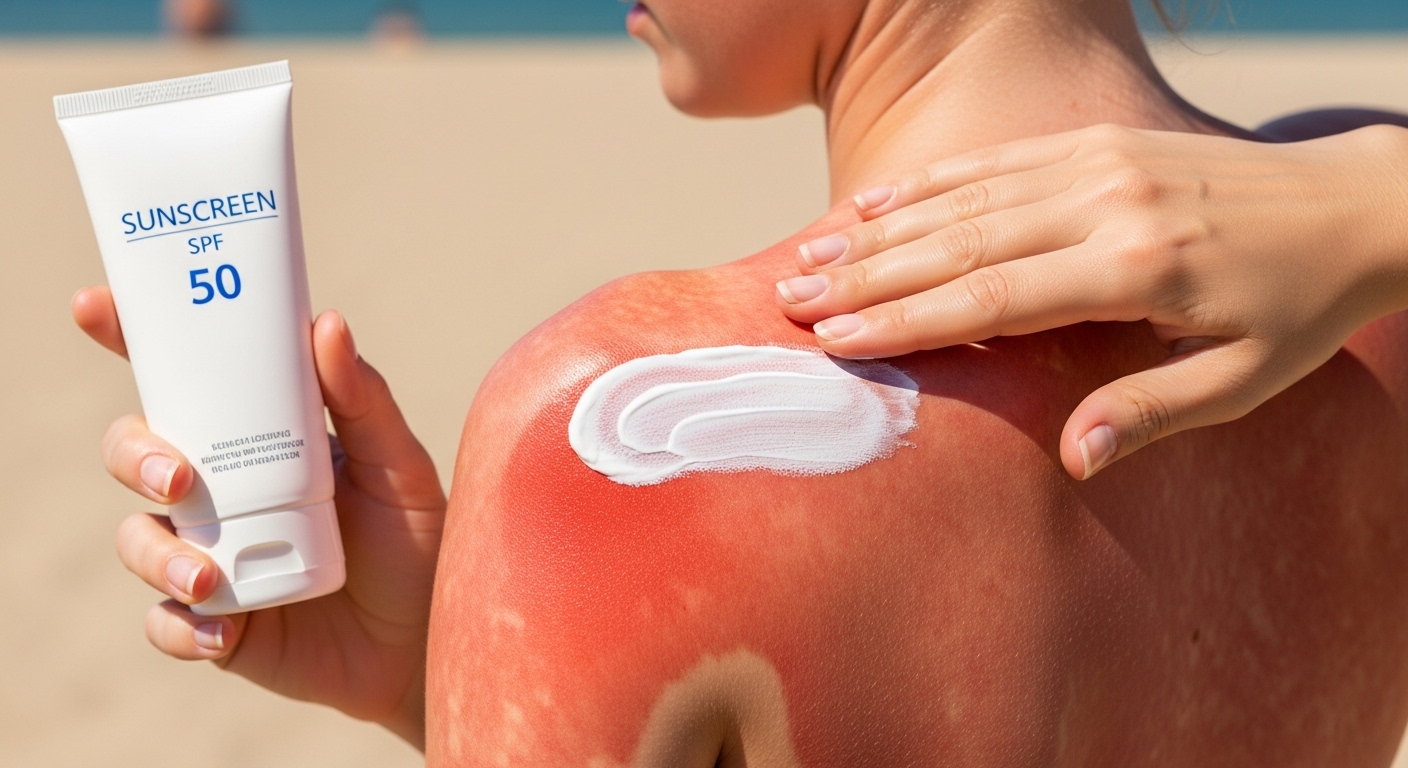
When you are outside in the sun, the type of clothes you wear and sunscreen application decide the extent of tanning. For example, the face and arms are more subject to the sun than other parts of the body. If you forget to apply sunscreen on areas like your neck and shoulders, they are more likely to get tanned.
Uneven Tan Means
When your skin is exposed to UV rays, it produces melanin, responsible for skin protection and thus darkening. In the worst case, sun damage can cause severe skin issues, hyperpigmentation and dark spots. This process does not happen uniformly, which is why uneven tanning occurs.
A patchy or uneven tan is very common because of non-uniform sun exposure. You must have observed that your face, arms, and feet are more tanned than your shoulders, back and legs, because these are usually covered under your clothes.
Sunscreen Mistakes You Might Be Making
There are chances that most people never skip sunscreen when it comes to apply on their face and hands. But they often ignore the neck, shoulder and behind the ear. These are the portions of your body where uneven tanning is visible.
Another major reason lies in the common practice of skipping sunscreen when it’s not summer, or when you are indoors. Because even when the sun is not harsh, its UV rays still damage your skin and break the barrier.
Sweat and humidity can also reduce the effectiveness of sunscreen by wearing it off, leaving your skin unprotected.
Existing Pigmentation Can Make Tanning Worse
If you have acne-prone skin, open pores and scars, then tanning can make it worse. This happens because previously inflamed or damaged skin produces more melanin, making tanning appear darker and more uneven.
Why Uneven Tanning Is Not Appealing
This uneven fading creates a contrast that makes the skin look inconsistent even after sun exposure has stopped. Even after your skin is healed from sun damage, the inconsistent skin tone does not look appealing. It lowers your self-confidence, and you hesitate to wear summer clothes to hide an uneven tone.
How to Reduce and Prevent Patchy Tanning
Consistency is the crucial key to reducing tanning. Even after healing from sun damage, continue using sunscreen SPF 50 daily. Make sure to cover your neck, ears and hairline too.
Applying sunscreen is important, but reapplying it every 2–3 hours is essential for proper protection. Eating healthy foods (rich in antio idants), fluid intake, and using the right products (Vitamin C and kojic acid serum) are also important for tan removal. Use a gentle peeling solution to remove dead skin. Don’t over-scrub off your skin; it will get more irritated and patchy.
Final Thoughts
Uneven tanning and patchy skin are common skin concerns in summer. It should not be ignored and treated right away, because if left further, it may turn into serious skin issues. The thoughtful skincare routine, broad-spectrum sunscreen SPF 50, and hydration will help to reduce tan and improve skin evenness. With consistency and maintaining a healthy routine and diet, you can combat summer tan and patchy skin.
Trust a skincare brand that offers dermatologically tested products like Dermabay. So that your skin remains protected from harsh elements and heals properly from sun damage.