

When a traumatic event occurs, its effects extend far beyond what is immediately visible. The emotional toll on individuals and families is often overwhelming, and the physical aftermath can be just as challenging to face. In such moments, restoring a space to a safe and livable condition becomes a crucial step toward recovery. This is where professional services play a vital role, offering specialized knowledge, equipment, and compassion during an otherwise distressing time.
The work involved in restoring environments after traumatic incidents is complex and highly regulated. It goes far beyond ordinary cleaning, requiring an understanding of biohazards, safety protocols, and legal standards. While the public may only have a vague idea of what this process entails, the reality is that it is a meticulous, structured operation designed to protect health, dignity, and peace of mind. To appreciate its value, it is important to understand the scope, challenges, and significance of this essential service.
Nature of Trauma-Related Environments
Trauma-related environments can result from a wide range of incidents, including accidents, unattended deaths, violent acts, or severe injuries. These situations often leave behind biological materials such as blood or bodily fluids, which can pose serious health risks if not handled properly. Unlike everyday messes, these materials may contain pathogens capable of transmitting disease long after the incident has occurred.
In addition to biological hazards, there may be damaged furnishings, compromised structural elements, and lingering odors that cannot be removed through standard cleaning methods. These environments require careful assessment to determine the extent of contamination and the appropriate remediation strategy. Each scene is unique, shaped by the nature of the incident, the materials involved, and the amount of time that has passed.
Professional intervention ensures that all affected areas are identified and treated, including those that may not be immediately visible. This comprehensive approach is essential for preventing long-term health risks and ensuring that the space can be safely occupied again.
Health and Safety Considerations
One of the primary reasons professional intervention is necessary is the significant health risk associated with exposure to biohazardous materials. Bloodborne pathogens, bacteria, and viruses can survive on surfaces for extended periods, increasing the likelihood of infection for anyone who comes into contact with them. Without proper protective equipment and training, attempting to clean such environments can be dangerous.
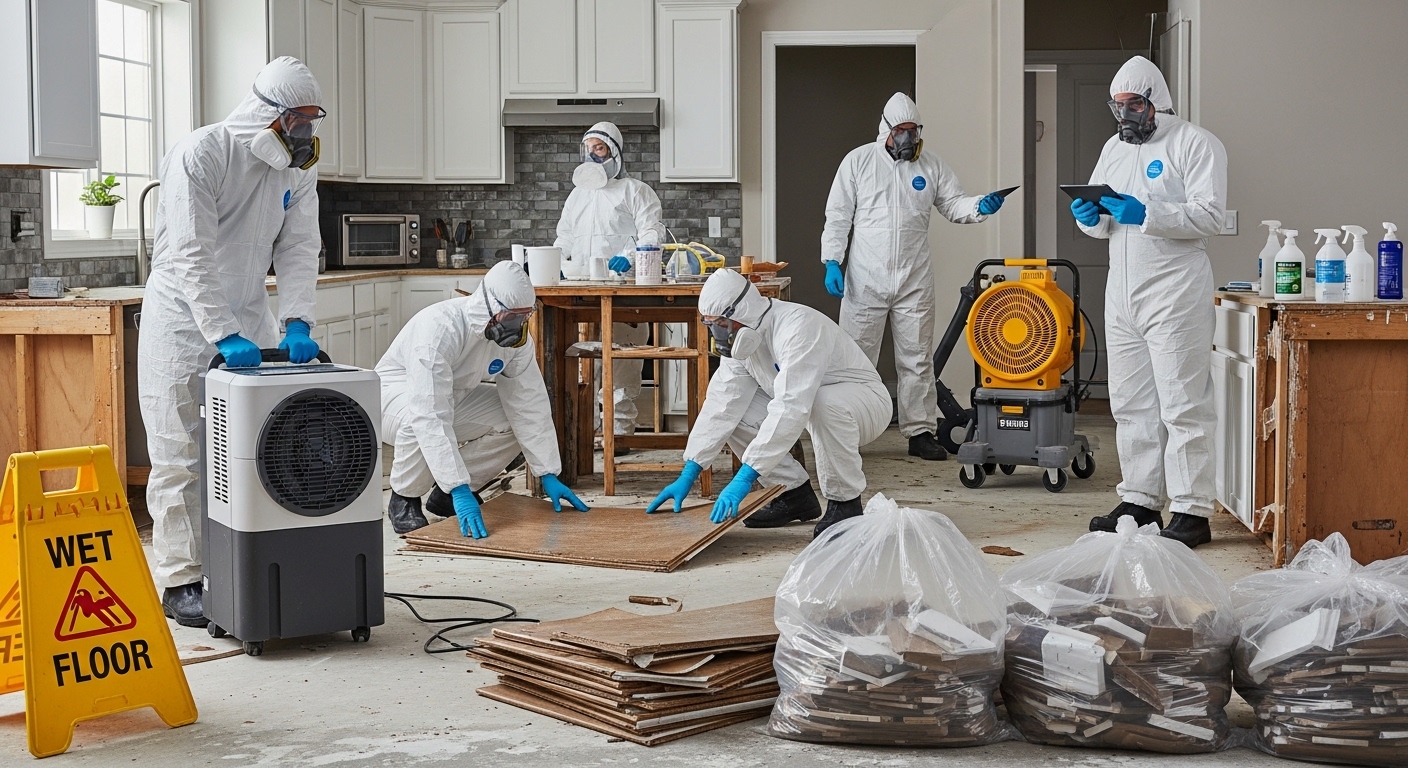
Professionals in this field follow strict safety protocols designed to minimize risk. These include the use of personal protective equipment, controlled removal and disposal of contaminated materials, and the application of hospital-grade disinfectants. The goal is not only to remove visible evidence but also to neutralize microscopic threats that could compromise health.
Regulatory compliance is another critical aspect. Disposal of biohazardous waste must adhere to specific laws and guidelines to prevent environmental contamination and protect public health. Trained technicians understand these requirements and ensure that all materials are handled responsibly from start to finish.
The Emotional Dimension of Restoration
Beyond physical hazards, there is a profound emotional component associated with traumatic environments. For families, friends, or property owners, returning to the scene of a distressing event can be emotionally overwhelming. The presence of physical reminders can hinder the healing process and prolong grief or distress.
By entrusting the task to professionals, individuals are spared the burden of confronting these reminders directly. This compassionate approach allows those affected to focus on emotional recovery rather than logistical challenges. The discretion and sensitivity demonstrated during this work are just as important as technical expertise.
Professionals are trained to operate with respect and confidentiality, recognizing that they are entering spaces connected to deeply personal experiences. Their role is not only to restore physical order but also to support the broader process of moving forward.
Specialized Tools and Techniques
The complexity of trauma-related restoration demands specialized tools and techniques that are not available to the general public. Advanced cleaning agents, odor neutralizers, and industrial-grade equipment are used to ensure thorough decontamination. In some cases, structural elements such as flooring, drywall, or insulation may need to be removed and replaced if contamination has penetrated porous materials.
Air filtration systems may also be employed to remove airborne particles and odors, further improving indoor air quality. These measures help ensure that the environment is not only visually clean but also genuinely safe for reoccupation.
The systematic approach taken by professionals ensures consistency and reliability. Each step, from initial assessment to final inspection, is carefully documented to verify that all hazards have been addressed. This level of rigor is essential for achieving lasting results.
Legal and Insurance Implications
Another important aspect of professional restoration is navigating the legal and insurance considerations that often accompany traumatic incidents. Documentation of the cleanup process can be critical for insurance claims, property transactions, or legal proceedings. Professionals understand what information is required and how to present it accurately.
Insurance coverage for these services varies depending on policy terms and the nature of the incident. Experienced providers can often assist clients in communicating with insurers, helping them understand coverage options and required documentation. This support can reduce stress and prevent costly delays during an already difficult time.
Compliance with local and federal regulations is equally important. Proper handling and disposal of hazardous materials protect property owners from potential liability and ensure that the restoration meets established standards.
Why Professional Services Are Essential
It may be tempting for some individuals to attempt to clean up themselves in an effort to save money or regain control quickly. However, without proper training, equipment, and knowledge, this approach can lead to incomplete decontamination, health risks, and emotional distress. What appears clean on the surface may still harbor invisible dangers.
Professional crime scene cleanup in Las Vegas services exist specifically to address these challenges. Their expertise ensures that no detail is overlooked and that all affected areas are treated appropriately. This thoroughness provides reassurance that the environment is truly safe and that the incident has been handled with care and professionalism.
In many cases, the cost of professional services is outweighed by the benefits of safety, efficiency, and peace of mind. Knowing that experts have managed the situation allows individuals to move forward with confidence.
The Step-by-Step Process
While each situation is unique, the restoration process generally follows a structured sequence. It begins with an assessment to identify hazards and determine the scope of work. This is followed by containment measures to prevent cross-contamination, removal of affected materials, and thorough cleaning and disinfection.
Odor control and air purification may be necessary to address lingering smells associated with biological materials. Finally, a detailed inspection ensures that all hazards have been eliminated and that the space meets safety standards.
Throughout this process, communication with clients is essential. Clear explanations of what is being done and why help build trust and provide reassurance during a challenging time.
Long-Term Impact on Well-Being
The benefits of professional restoration extend beyond immediate safety. By eliminating physical reminders of a traumatic event, these services contribute to emotional healing and closure. A clean, restored environment allows individuals to reclaim their space and begin rebuilding a sense of normalcy.
This impact is particularly significant for families and property owners who must continue living or working in the affected space. Knowing that every precaution has been taken to ensure safety can alleviate anxiety and support long-term well-being.
Over time, the memory of the incident may fade, but the importance of having handled it properly remains. The decision to rely on professional crime scene cleanup services can have lasting positive effects on both physical health and emotional recovery.
Choosing the Right Provider
Selecting a qualified provider is an important decision. Experience, certification, and a proven track record are key indicators of reliability. Transparency about procedures, costs, and timelines also helps establish trust.
Equally important is the provider’s approach to client care. Compassion, discretion, and clear communication are essential qualities in this line of work. A professional team understands that they are not just cleaning a space but supporting individuals during a vulnerable moment.
By taking the time to choose wisely, clients can ensure that the restoration process is handled with the respect and expertise it deserves.
A Quiet but Vital Service
Although often unseen and rarely discussed, professional restoration after traumatic events plays a critical role in protecting health, property, and emotional well-being. The work requires a unique combination of technical skill, regulatory knowledge, and human empathy.
By understanding the scope and significance of this service, individuals can better appreciate why professional crime scene cleanup is not simply a cleaning task but a comprehensive process designed to restore safety and dignity. In the aftermath of difficult events, this quiet but vital service helps pave the way toward healing and renewal, ensuring that spaces can once again serve their intended purpose without lingering risk or distress.