

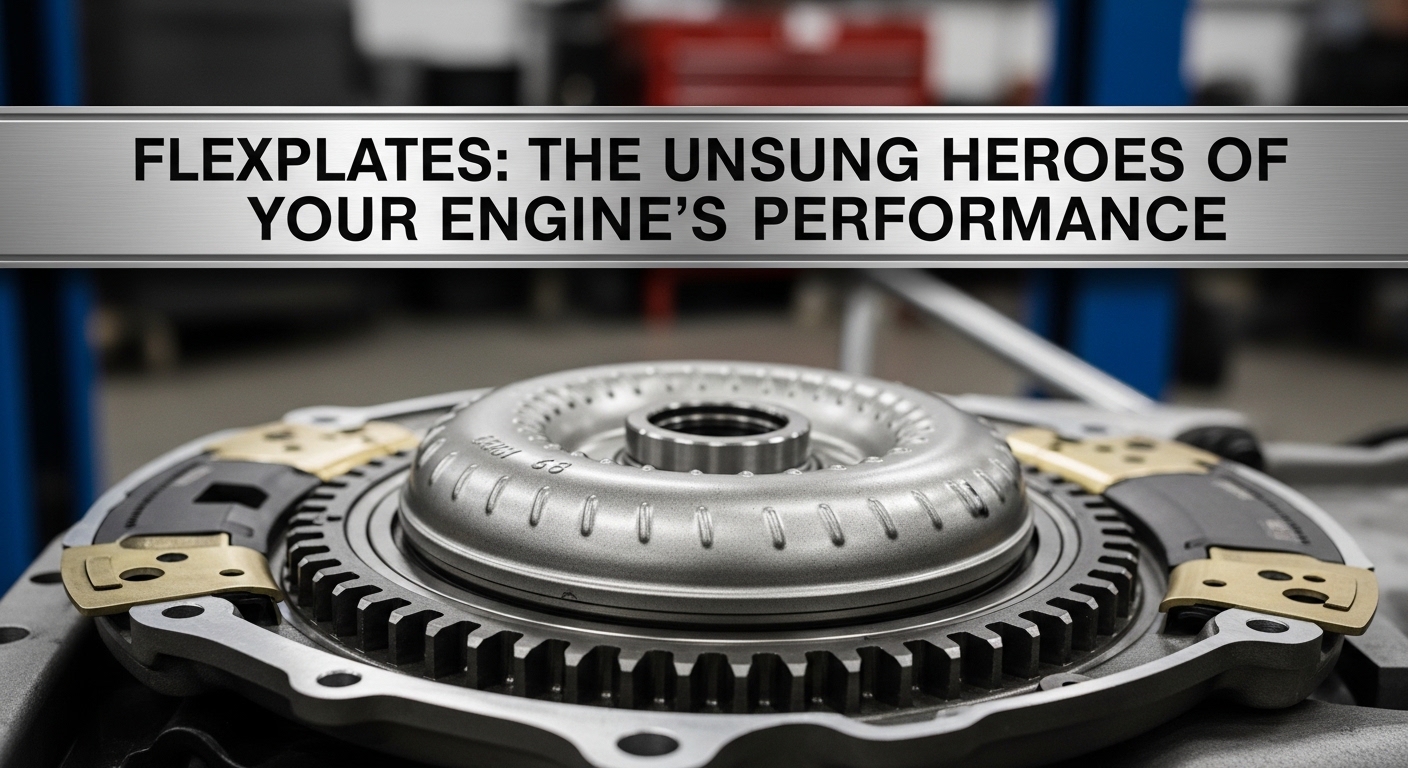
When it comes to engine performance, most people focus on the big players: horsepower, torque, and fuel efficiency. Yet lurking quietly beneath the surface is a crucial component that often goes unnoticed the flexplate. Yes, this seemingly simple piece of metal plays a vital role in connecting your engine to its transmission and ensuring everything runs smoothly. Whether you’re revving up for a race or just commuting to work, understanding flexplates can help you optimize your vehicle’s performance like never before. Let’s dive deep into what makes these unsung heroes so essential for every car owner.
What is Flexplates?
Flexplates are essential components in many vehicles equipped with automatic transmissions. They serve as a flexible connection between the engine and the transmission, allowing for smooth operation.
Unlike traditional flywheels, flexplates are designed to accommodate slight misalignments and vibrations. This flexibility is critical in ensuring that power flows seamlessly from the engine to the drivetrain.
Typically made from stamped steel or aluminum, these plates can withstand significant stress while remaining lightweight. The design also includes slots for mounting torque converters, further enhancing their functionality.
Flexplates play a pivotal role in absorbing shock during acceleration and deceleration. This feature not only improves performance but also protects other components of your vehicle’s drivetrain from excessive wear and tear.
Types of flexplates and their differences
Flexplates come in various types, each designed for specific applications and performance needs. The most common distinction is between standard flexplates and high-performance options.
Standard flexplates are typically made from steel or aluminum, providing a balance of durability and weight. They are suitable for everyday driving but may not withstand the rigors of racing.
High-performance flexplates often feature reinforced designs with lightweight materials like billet aluminum or even carbon fiber. These plates can handle increased torque loads, making them ideal for modified engines or competitive environments.
Another key difference lies in the mounting configurations. Some flexplates have multiple bolt patterns to fit different engine models, while others are tailored specifically to certain transmissions.
Understanding these variations helps ensure you choose a flexplate that aligns with your vehicle’s requirements and enhances its overall performance potential.
The role of flexplates in engine performance
Flexplates play a crucial role in connecting the engine to the transmission. They allow for smooth power transfer, ensuring that your vehicle operates efficiently.
When the engine rotates, the flexplate absorbs vibrations and torque fluctuations. This flexibility helps maintain balance, which ultimately enhances performance. A well-functioning flexplate can improve acceleration and responsiveness.
Additionally, they provide a mounting surface for components like starter motors. This positioning is essential for reliable ignition and overall engine functionality.
If there’s any wear or damage to this component, you might experience issues such as shuddering or difficulty shifting gears. These problems can significantly hinder your driving experience and impact performance metrics.
Given their importance in harmonizing various elements of the drivetrain, understanding how flexplates function is vital for anyone looking to optimize their vehicle’s performance on the road.
Common issues with flexplates and how to troubleshoot them
Flexplates can encounter a variety of issues, impacting your vehicle’s performance. One common problem is warping. This occurs due to excessive heat from engine strain or improper installation. If you notice vibrations during acceleration, this could be the culprit.
Another frequent issue is cracking. A cracked flexplate often results in noticeable noises when starting the engine or shifting gears. Inspecting it visually can help identify any visible damage.
Improper alignment between the flexplate and torque converter may lead to further complications, like transmission slipping or failure to engage properly. If you’re experiencing these symptoms, checking for proper alignment is essential.
Listen for unusual rattling sounds while idling; this may indicate loose bolts securing the flexplate. Tightening them may resolve the noise but ensure they are not stripped first before attempting repairs.
How to choose the right flexplate for your vehicle
Choosing the right flexplate for your vehicle is crucial. Start by identifying your engine’s specifications. Check the make, model, and year to ensure compatibility.
Next, consider your drivetrain setup. The type of transmission you have influences flexplate requirements. For example, automatic transmissions often need specific designs that differ from manual setups.
Material plays a role too. Most flexplates are made from steel or aluminum. Steel offers durability while aluminum can provide weight savings without sacrificing strength.
Don’t overlook torque ratings either. Ensure the flexplate can handle your engine’s output to prevent future issues.
Consult with professionals or online forums dedicated to automotive enthusiasts if you’re unsure about any details. Their insights could lead you to the best choice for performance and reliability in your ride.
Maintenance tips for optimal performance
To keep your flexplate in top shape, regular inspections are crucial. Look for any signs of wear or damage, such as cracks or warping. These issues can lead to significant performance problems if left unaddressed.
Ensure that all bolts and connections are properly tightened. A loose flexplate can create vibrations that may affect other components in the engine.
Lubrication is another key factor. Make sure to follow manufacturer recommendations regarding any necessary lubrication points to reduce friction and prolong the life of your flexplate.
Keep an eye on transmission fluid levels too. Low fluid can cause slipping and overheating, which ultimately impacts the flexplate’s functionality.
Listen for unusual noises while driving. Grinding or rattling sounds could indicate trouble with your flexplate or related components don’t ignore them!
Conclusion
Flexplates play a crucial role in the performance of your engine, yet they often go unnoticed until problems arise. Understanding what flexplates are and how they function can significantly enhance your vehicle’s efficiency.
Choosing the right flexplate for your car involves recognizing its type and specific requirements. Regular maintenance can also prevent common issues, ensuring that everything runs smoothly under the hood.
Whether you’re replacing a worn-out part or upgrading for better performance, knowledge is key. With proper care and selection, you can appreciate these unsung heroes of automotive engineering even more as they work tirelessly to deliver power to your wheels.
 adam@frontierinfo.com