

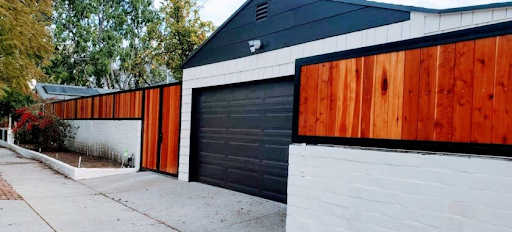
Garage door openers and safety sensors are built to handle daily cycles, but prolonged heat exposure changes the game. In areas where garage temperatures spike well above 100°F, internal components—motors, circuit boards, wiring, and sensor lenses—degrade faster than expected. Many service calls for garage door repair in Sherman Oaks stem from heat-related stress rather than simple wear and tear.
When heat builds up inside a closed garage, it affects signal transmission, motor efficiency, and electrical resistance. That’s when doors hesitate, sensors misread obstructions, or systems stop responding altogether. These aren’t random glitches—they’re signs the system is running outside its optimal range.
Knowing how heat impacts performance, spotting early warning signs, and acting before full failure can save time, reduce repair costs, and keep the system running reliably through peak summer conditions.
Signs Your Garage Door Opener Or Sensors Are Failing From Heat
Garage door openers and sensors don’t fail overnight. Heat-related damage builds gradually, and the system starts sending signals long before it shuts down. The challenge is recognizing these early symptoms and connecting them to temperature impact rather than assuming general wear.
One of the most common issues is delayed response. When internal electronics heat up, their resistance increases, slowing signal processing. You press the remote, and the door hesitates before moving. That lag is often the first sign the opener’s circuit board is under thermal stress.
Another telltale sign is inconsistent operation. The door may open normally in the morning but struggle or stop midway in the afternoon when garage temperatures peak. This pattern is a clear indicator that heat is affecting system performance.
Sensor Malfunctions And False Signals
Safety sensors are particularly sensitive to heat. These components rely on infrared beams to detect obstructions. When exposed to high temperatures, sensor alignment can shift slightly, or internal circuitry may misread signals.
This leads to:
- Door reversing unexpectedly without obstruction
- Blinking sensor lights indicating misalignment
- Door refusing to close despite clear path
- Intermittent sensor communication failure
These issues are often mistaken for alignment problems, but heat can be the underlying cause.
Motor And Electrical Stress Indicators
Opener motors are designed to operate within a specific temperature range. When that range is exceeded, performance drops. Motors may overheat, triggering built-in safety shutoffs. This is why some doors stop working temporarily and then function again after cooling down.
Electrical wiring is also affected. Heat can cause insulation to degrade, increasing the risk of short circuits or inconsistent power delivery.
Warning Signs You Shouldn’t Ignore
- Burning smell near the opener unit
- Slower or weaker door movement
- Remote or wall switch delay
- Opener light flickering or failing
- System shutting down during operation
Ignoring these signs allows minor issues to snowball into major failures.
Why Early Detection Matters
Catching heat-related problems early prevents damage to expensive components like circuit boards and motors. Once those parts fail, repair costs increase significantly. Addressing sensor misalignment or minor electrical stress early helps keep the system running efficiently and avoid unexpected downtime.
2026 Data On Opener Motor Overheating And Sensor Failures
Garage door systems in 2026 are more advanced, but they’re also more sensitive to environmental conditions. Smart openers, integrated sensors, and electronic control boards increase convenience—but they also introduce more heat-sensitive components.
Recent service data indicates:
- Over 40% of opener failures are linked to overheating
- Sensor-related issues account for 25–30% of repair calls
- Electronic component failure rates increase by 20% in high-heat regions
These numbers highlight how temperature directly affects system reliability.
Increased Usage And System Load
Modern households use garage doors more frequently than ever. With smart home integration and multiple users, daily cycles have increased. This puts additional load on opener motors and electronic systems.
More cycles mean more heat generation inside the motor. Combine that with high ambient temperatures, and the system operates under constant stress.
Repair Time Expectations In 2026
Understanding repair timelines helps set expectations when dealing with heat-damaged components. While some fixes are quick, others require more detailed work, especially when electronics are involved.
| Repair Type
|
Average Time (2026)
|
Complexity Level
|
| Sensor Realignment Or Replacement
|
45–90 Minutes
|
Low
|
| Opener Circuit Board Repair
|
1.5–3 Hours
|
Moderate
|
| Motor Replacement
|
2–4 Hours
|
High
|
| Wiring And Electrical Adjustment
|
1–2 Hours
|
Moderate
|
| Full Opener System Replacement
|
3–5 Hours
|
High
|
These timelines assume proper diagnosis and access to compatible parts.
Why Failure Rates Are Rising
Several trends are pushing failure rates higher:
- Increased reliance on smart garage systems
- Higher daily usage cycles
- Heavier garage doors requiring more motor power
- Lack of ventilation in enclosed garages
Heat acts as a multiplier—it accelerates wear across all these factors.
What This Means For Property Owners
If the system is already a few years old, heat exposure can push it past its limits. Components that might last longer in cooler environments begin to fail earlier. This makes regular inspection and preventive maintenance more important than ever.
Why High Temperatures Impact Garage Door Electronics And Wiring
Heat directly affects how electricity flows through a system. As temperatures rise, electrical resistance increases. This means components like circuit boards and wiring must work harder to deliver the same performance.
Over time, this added stress leads to:
- Slower signal processing
- Increased energy consumption
- Higher risk of component failure
This is why openers struggle more during peak heat hours.
Circuit Board Vulnerability
The circuit board is the brain of the garage door opener. It controls motor function, sensor communication, and remote access. High temperatures can warp internal components or degrade solder connections, leading to intermittent failures.
Once a circuit board is compromised, the system may behave unpredictably—opening or closing without clear input or failing to respond altogether.
Wiring And Insulation Breakdown
Electrical wiring inside the opener is protected by insulation designed to withstand typical conditions. However, prolonged exposure to extreme heat can cause insulation to crack or deteriorate.
This increases the risk of:
- Short circuits
- Power fluctuations
- Inconsistent system operation
Sensor Sensitivity To Heat
Sensors rely on precise alignment and stable signal transmission. Heat can distort sensor housings or affect internal components, reducing accuracy. Even slight misalignment can break the infrared beam, causing the system to malfunction.
Why Ventilation And Setup Matter
Garages with poor ventilation trap heat, creating an environment where temperatures remain elevated for long periods. This constant exposure accelerates wear on all electronic components.
Proper system setup, including correct placement of the opener and sensors, can reduce heat impact. Keeping the system within its operating range helps maintain performance and extend lifespan.
Common Opener Issues During Summer And Peak Heat Conditions
During peak summer, garage door systems are pushed to their limits. Heat doesn’t just sit in the air—it seeps into motors, control boards, and sensor housings. Once internal temperatures rise, performance drops, and small inefficiencies start stacking up.
One of the most noticeable issues is inconsistent operation. The door may run fine early in the day but struggle or stop completely in the afternoon. That’s because internal components expand under heat, affecting alignment, electrical flow, and mechanical tolerance.
Typical Problems Seen In High Temperatures
- Opener motor overheating and shutting down mid-cycle
- Sensors failing to detect properly due to signal distortion
- Remote control delay or reduced range
- Circuit boards causing intermittent door operation
- Door reversing unexpectedly without obstruction
These issues are often misdiagnosed as general wear, but heat is the real trigger behind the scenes.
Why Performance Drops In The Afternoon
As garage temperatures climb, the opener motor works harder to maintain torque. Increased resistance in wiring and electronic components slows down communication between parts. This creates a chain reaction—slower signals, delayed responses, and eventual shutdown.
Sensors also take a hit. Even minor misalignment caused by heat expansion can break the infrared beam. That’s why doors may refuse to close during the hottest part of the day.
Long-Term Impact On System Reliability
Repeated overheating cycles reduce the lifespan of internal components. Motors lose efficiency, circuit boards degrade, and wiring becomes less reliable. Over time, this leads to more frequent breakdowns and higher repair costs.
Staying ahead of these issues means addressing heat-related stress early rather than waiting for complete failure.
Cost Factors For Repairing Heat-Damaged Garage Door Components In 2026
Repair costs for heat-damaged garage door systems in 2026 depend on which components are affected and how far the damage has progressed. Electronic parts like circuit boards and sensors are more sensitive and often cost more to replace than mechanical components.
Labor also plays a role. Diagnosing heat-related issues requires testing electrical flow, checking signal consistency, and recalibrating the system.
Average Cost Overview For 2026 Repairs
| Repair Type
|
Average Cost Range (2026)
|
| Sensor Repair Or Replacement
|
$85 – $200
|
| Circuit Board Replacement
|
$150 – $400
|
| Garage Door Opener Motor Repair
|
$200 – $500
|
| Wiring And Electrical Adjustment
|
$120 – $300
|
| Full Opener Replacement
|
$400 – $900
|
These costs vary depending on system type, door weight, and whether upgraded components are used.
Key Cost Drivers To Keep In Mind
- Smart opener systems with advanced electronics
- Heavier garage doors requiring stronger motor output
- Extent of heat damage to internal components
- Need for full system recalibration after repair
- Emergency service or after-hours scheduling
Why Delayed Repairs Increase Costs
Waiting too long allows heat damage to spread. A minor sensor issue can escalate into circuit board failure. A struggling motor can burn out completely if forced to operate under stress.
Addressing problems early keeps repairs limited to individual components instead of full system replacements.
Investing in higher-quality replacement parts, especially heat-resistant components, pays off over time. Systems designed to handle higher temperatures perform more consistently and require fewer service calls.
Repair Or Replacement For Overheated Garage Door Systems
Repair makes sense when damage is limited and the system is still structurally sound. If the opener motor, sensors, or wiring can be restored without affecting overall performance, repair is the faster and more cost-effective solution.
Situations where repair works best include:
- Minor sensor malfunction due to heat exposure
- Isolated wiring issues or loose connections
- Early-stage motor overheating without internal damage
- Circuit board issues that don’t affect full system operation
When Replacement Becomes Necessary
Replacement is the smarter move when heat has caused widespread damage or the system is outdated. Modern garage door openers are more efficient and better equipped to handle high temperatures.
Signs pointing toward replacement:
- Repeated overheating despite repairs
- Multiple component failures within short periods
- Outdated opener struggling with modern usage demands
- High repair costs approaching replacement value
Performance And Efficiency Gains
Upgrading to a newer system improves reliability and reduces the risk of heat-related issues. Modern openers include better ventilation, improved circuit protection, and smarter load management.
This leads to smoother operation, lower strain on components, and longer system lifespan.
Balancing Cost And Reliability
While replacement requires a higher upfront investment, it eliminates recurring repair costs and downtime. For systems nearing the end of their lifecycle, replacement often delivers better long-term value.
Why Hiring Professional Garage Door Repair Services In Sherman Oaks Matters
Choosing between smart glass and smart film comes down to how the space is used, how long the solution needs to perform, and how much flexibility is required during installation. Retrofit projects with existing windows usually favor smart film because it installs faster and avoids structural changes, while new builds or full renovations often favor smart glass for its durability, clarity, and long-term stability. Budget matters, but it should be weighed alongside lifespan, maintenance demands, and overall system performance.
Commercial spaces with heavy daily use typically benefit from the reliability of smart glass, while residential properties and offices aiming for quick upgrades without downtime often find smart film more practical. Matching the system to real-world usage is what makes the investment pay off over time.
For accurate recommendations and a clean, efficient setup, contact Spark Garage Doors and Gates Repair. Their team can evaluate your property, guide you toward the right solution, and help you move forward with installation or book a consultation to get started.
FAQ
Why does my garage door stop working during hot afternoons in Sherman Oaks?
High temperatures can cause opener motors to overheat and sensors to misread signals. In Sherman Oaks, garage interiors often trap heat, pushing systems beyond their operating range and causing temporary shutdowns or inconsistent performance.
How do I know if heat damaged my garage door opener?
Common signs include delayed response, the door stopping mid-cycle, flickering lights on the opener unit, or the system working fine in the morning but failing later in the day. These indicate thermal stress on internal components.
Can heat affect garage door safety sensors?
Yes. Heat can slightly shift alignment or interfere with infrared signal transmission. This often leads to the door reversing unexpectedly or refusing to close, even when nothing is blocking the path.
What is the average cost for garage door repair Sherman Oaks homeowners should expect?
Costs vary depending on the issue. Sensor repairs may range from $85–$200, while opener motor or circuit board repairs can go from $150–$500 or more. Full opener replacement can reach $400–$900 depending on system type.
Should I repair or replace a heat-damaged garage door opener in Sherman Oaks?
If the damage is minor and limited to sensors or wiring, repair is usually enough. However, if the opener repeatedly overheats or multiple components fail, replacing the system is often more reliable and cost-effective long term.
 adam@frontierinfo.com