

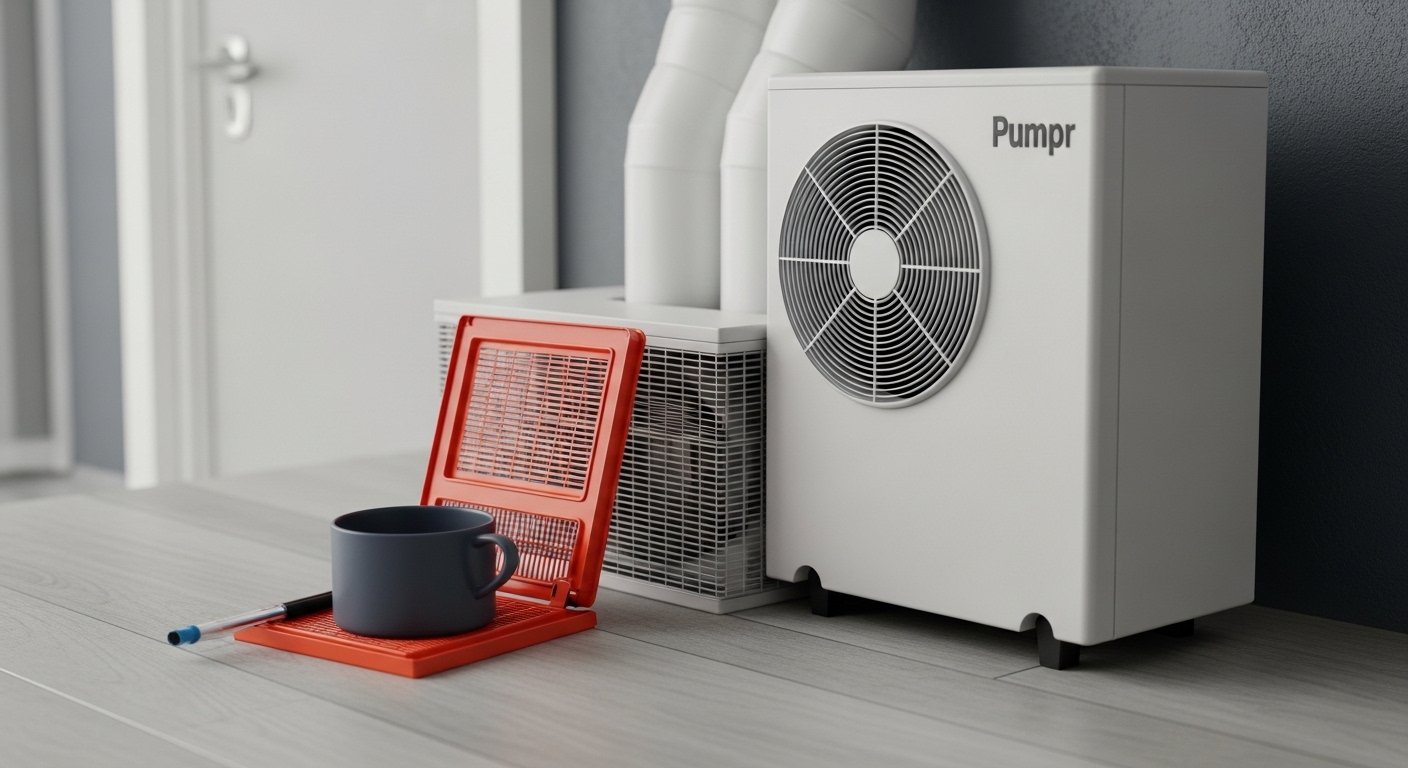
Heat pump repair is an essential service for homeowners who rely on these versatile systems for year-round comfort. Unlike traditional heating or cooling systems, heat pumps provide both heating in the winter and cooling in the summer, making them an integral part of modern homes. Heat pumps operate by transferring heat between indoor and outdoor environments, and while they are highly efficient, they require proper maintenance and occasional repair to continue performing optimally.
Over time, heat pumps may experience issues that reduce efficiency, compromise comfort, or even pose safety concerns. Problems such as refrigerant leaks, frozen coils, compressor failures, or malfunctioning thermostats can significantly impact performance. Heat pump repair is not merely a matter of restoring warmth or cooling; it involves diagnosing complex mechanical and electrical issues, addressing airflow problems, and ensuring that the system operates safely and efficiently. Understanding the process and benefits of heat pump repair empowers homeowners to protect their investment and maintain reliable indoor comfort throughout the year.
Signs That Heat Pump Repair Is Needed
Recognizing early signs of a malfunctioning heat pump is crucial to preventing major failures and ensuring energy efficiency. One common indicator is inconsistent indoor temperatures. Rooms that fail to reach the desired temperature or experience uneven heating or cooling often suggest airflow issues, refrigerant problems, or failing components.
Unusual noises are another clear sign of trouble. Grinding, squealing, or rattling sounds may indicate worn-out motors, loose parts, or failing compressors. Frequent cycling, where the system turns on and off repeatedly, is also a warning sign, potentially caused by thermostat issues, low refrigerant levels, or blocked airflow.
Other indicators include higher-than-normal energy bills despite consistent usage, ice buildup on outdoor units, water leaks near the indoor components, and unusual odors such as burning or musty smells. Recognizing these symptoms promptly allows homeowners to schedule professional heat pump repair before small issues escalate into costly or dangerous problems.
Benefits of Timely Heat Pump Repair
Timely heat pump repair offers several significant advantages that extend beyond immediate comfort. One of the most important benefits is energy efficiency. A properly functioning heat pump consumes less electricity to maintain consistent indoor temperatures, which translates into lower utility bills and reduced environmental impact.
Safety is another critical benefit. Heat pumps contain electrical and refrigerant components that can pose hazards if malfunctioning. Repairing issues promptly reduces the risk of electrical fires, refrigerant leaks, and other safety concerns. Reliability is also enhanced, ensuring that the system operates consistently during extreme weather conditions. Finally, timely repair prolongs the life of the heat pump by addressing wear and tear before minor problems lead to major failures, protecting the homeowner’s investment.
Common Heat Pump Problems
Heat pumps, like any complex mechanical system, can experience a range of issues over time. Refrigerant leaks are among the most common problems and can reduce system efficiency, cause uneven heating or cooling, and damage the compressor if left unaddressed. Frozen coils, often caused by airflow restrictions or low refrigerant levels, can prevent proper heat transfer and result in system shutdowns.
Electrical failures, including faulty wiring, blown fuses, or malfunctioning control boards, can prevent the heat pump from operating or cause erratic behavior. Mechanical issues such as worn compressors, motors, or fan components can generate unusual noises and reduce performance. Drainage problems, often related to clogged condensate lines, can cause water damage and trigger system malfunctions. Recognizing these common problems helps homeowners understand when professional heat pump repair is necessary.
The Heat Pump Repair Process
Professional heat pump repair begins with a comprehensive inspection of the system to identify the root cause of the problem. Technicians examine both the indoor and outdoor units, including compressors, fans, coils, filters, and electrical components. Diagnostic tools may be used to measure refrigerant levels, airflow, and system pressure to ensure accurate problem identification.
Once the issue is diagnosed, technicians determine the most effective repair method. Minor repairs, such as cleaning coils, replacing filters, or fixing thermostats, can often restore system performance quickly. More complex repairs may involve replacing compressors, reversing valves, motors, or addressing refrigerant leaks. After the repair is completed, the system is tested to ensure it operates safely, efficiently, and reliably, restoring full heating and cooling functionality.
Energy Efficiency and Heat Pump Repair
Maintaining energy efficiency is a critical reason to invest in professional heat pump repair. Even minor malfunctions, such as restricted airflow or low refrigerant, can increase energy consumption dramatically. A system operating below optimal efficiency requires more electricity to achieve the same level of comfort, driving up utility costs and reducing environmental sustainability.
Repairing issues and performing routine maintenance ensures that the heat pump delivers peak performance. Additionally, energy-efficient heat pumps reduce greenhouse gas emissions, contributing to a cleaner environment. By addressing inefficiencies promptly, homeowners can enjoy lower energy bills, reduced environmental impact, and a longer-lasting system.
Safety Considerations in Heat Pump Repair
Heat pumps involve electrical components, high-pressure refrigerants, and moving mechanical parts, making safety a critical concern during repair. Improper handling can result in electrical shock, refrigerant exposure, water damage, or even fire hazards. Professional technicians are trained to manage these risks using appropriate tools, safety equipment, and industry-standard procedures.
Carbon monoxide risks are less common in heat pumps than in combustion-based heating systems, but proper repair and inspection ensure safe operation in all climates and conditions. By relying on certified repair professionals, homeowners minimize safety risks while maintaining efficient heating and cooling.
When to Consider Heat Pump Replacement
While repair is often sufficient to restore performance, there are circumstances where heat pump replacement may be a better long-term solution. Heat pumps older than 12–15 years, systems with frequent breakdowns, or units that no longer maintain desired temperatures efficiently may be more expensive to repair than to replace.
Other factors indicating replacement include outdated technology, low SEER (Seasonal Energy Efficiency Ratio) ratings, and refrigerant types that are no longer environmentally compliant. Consulting with a professional technician can help determine whether repair or replacement provides the best balance of comfort, efficiency, and cost-effectiveness.
Preventive Maintenance to Reduce Repairs
Preventive maintenance is the most effective strategy to minimize heat pump repair needs. Regular tasks include changing or cleaning filters, inspecting coils, clearing debris around outdoor units, checking refrigerant levels, and lubricating moving parts. Seasonal maintenance ensures the system operates efficiently and prevents small problems from becoming major failures.
Homeowners are advised to schedule professional maintenance at least once a year, ideally before peak heating or cooling seasons. Consistent maintenance extends the lifespan of the system, enhances efficiency, and ensures reliable year-round comfort.
Cost Considerations for Heat Pump Repair
The cost of heat pump repair depends on the nature of the problem, the parts required, and labor complexity. Minor repairs, such as cleaning or replacing filters, may be relatively inexpensive, whereas major repairs involving compressors, reversing valves, or refrigerant leaks can be more costly.
When evaluating costs, homeowners should consider the long-term value of repair compared to replacement, especially for older systems. Timely repair often prevents emergency breakdowns and extends system life, making it a worthwhile investment. Some service providers offer maintenance contracts or warranties that help manage costs and provide additional peace of mind.
Choosing a Reliable Heat Pump Repair Service
Selecting a qualified and trustworthy heat pump repair service is essential for effective and long-lasting results. Technicians should be licensed, insured, and experienced with different heat pump models and refrigerants. Transparency in pricing, prompt service, and clear communication are critical indicators of a reputable provider.
Customer reviews, referrals, and service guarantees provide additional assurance of quality. A reliable repair service not only fixes immediate issues but also offers guidance on maintenance, energy efficiency, and system longevity, helping homeowners maximize their investment.
Long-Term Benefits of Heat Pump Repair
Beyond immediate comfort, heat pump repair provides long-term benefits such as increased system longevity, reduced energy bills, and safer operation. A properly functioning heat pump ensures consistent indoor temperatures, minimizes unexpected breakdowns, and operates more efficiently.
By addressing problems promptly and scheduling routine maintenance, homeowners preserve their system’s performance and extend its usable life. This proactive approach reduces stress, enhances comfort, and ultimately protects the financial investment made in the heating and cooling system.
Conclusion
Heat pump repair is a vital service that ensures reliable, efficient, and safe year-round comfort for residential and commercial properties. By recognizing early signs of malfunction, addressing issues promptly, and relying on professional technicians, homeowners can maintain optimal system performance while reducing energy costs and potential safety risks.
Whether repairing minor malfunctions or major mechanical failures, professional heat pump repair restores comfort, efficiency, and peace of mind. Combined with preventive maintenance and proper care, heat pump repair helps homeowners enjoy consistent heating and cooling while maximizing the lifespan and efficiency of their system, making it a practical and essential investment for any property.