

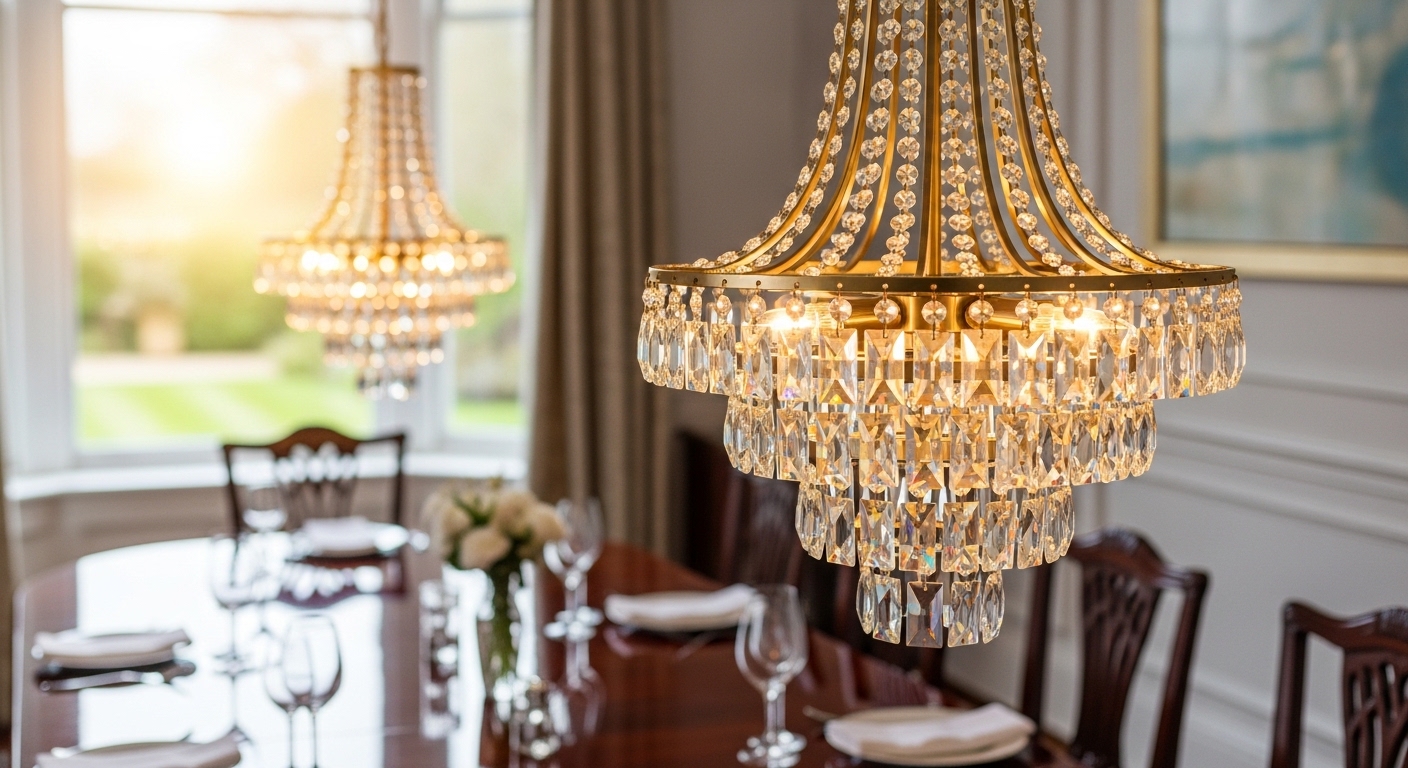
A beautiful chandelier can instantly elevate the visual appeal of a home. Lighting has the power to influence how a room feels, how décor appears, and how welcoming the space becomes for family and guests. Among decorative lighting fixtures, chandeliers remain a timeless choice because they blend illumination with artistic detail. However, selecting the right chandelier requires thoughtful planning beyond appearance. In this article, we’ll discuss the important factors that help homeowners choose a chandelier that complements their interior style.
Evaluate the Size of the Room First
Room size plays a significant role when choosing a chandelier. Many homeowners explore designer chandeliers while searching for a unique centerpiece, yet the fixture must fit the proportions of the room. A piece that is too large can overwhelm the area, while a very small one may lose its visual impact.
Measure the room’s length and width before selecting a chandelier. Interior experts often recommend adding these measurements in feet and converting the number to inches to estimate the suitable diameter. Ceiling height also matters here. Higher ceilings support larger or layered fixtures, while lower ceilings require compact designs that maintain balance and openness.
Match the Fixture With Interior Style
Interior design style should come in hand with the chandelier selection. A lighting fixture that complements the existing décor creates a harmonious environment and strengthens the room’s visual appeal. Traditional homes benefit from ornate chandeliers that include curved arms, crystal elements, and detailed finishes. Contemporary interiors favor sleek designs with clean lines and geometric shapes.
Whereas transitional spaces allow more flexibility because they blend traditional warmth with modern simplicity. Color finishes also influence visual balance. Metal tones such as brushed gold, matte black, or polished chrome should coordinate with other elements in the room. When the chandelier reflects the room’s design language, it becomes a natural focal point that enhances the overall interior composition.
Determine the Ideal Placement Area
The location of a chandelier affects both visual balance and lighting effectiveness. Most homeowners place chandeliers in dining rooms, entryways, living areas, or stairwells where the fixture can become a prominent design feature. In dining rooms, the chandelier typically hangs directly above the center of the table.
Maintaining a proper distance between the bottom of the fixture and the tabletop ensures comfortable visibility while preserving elegance. Entryways also provide a perfect location because a chandelier in the foyer creates an impressive first impression. Large open areas or staircases benefit from vertically styled chandeliers that fill the space gracefully and highlight architectural details throughout the home.
Consider the Lighting Intensity
A chandelier should deliver suitable brightness while maintaining a pleasant atmosphere. Lighting intensity should match the purpose of the room to support daily activities and gatherings. Dining areas benefit from warm lighting that encourages relaxed conversation and comfortable meals. Living rooms may combine chandelier lighting with lamps or wall fixtures to create layered illumination.
Entryways may require slightly brighter lighting to highlight architectural features and improve visibility. Bulb type and wattage influence the overall brightness level. Adjustable lighting controls allow homeowners to modify brightness based on time of day or occasion. Balanced lighting ensures that the chandelier remains decorative while still providing functional illumination.
Materials and Craftsmanship Matter
The materials used in a chandelier strongly influence its appearance, durability, and visual elegance. High-quality craftsmanship ensures the fixture maintains its beauty for years while remaining structurally secure. Common materials include metal frames, glass accents, and crystal components.
Crystal pieces reflect light and create sparkling highlights throughout the room. Glass elements produce a softer glow that spreads light evenly across surrounding surfaces. Carefully finished metal structures add strength and sophistication to the design. A well-crafted chandelier brings both artistic appeal and long-term reliability to a home’s interior lighting design.
Important Features to Review Before Purchase
Before choosing a chandelier, homeowners should review several functional features that influence installation, performance, and convenience.
- Adjustable chain or rod length to match ceiling height
- Bulb compatibility that supports the desired brightness level
- Dimmable lighting capability for flexible illumination control
- Energy-efficient bulb options to reduce electricity usage
- Weight support requirements for secure ceiling installation
Paying attention to these practical elements helps homeowners select a fixture that suits both the room and the lighting needs of the household.
Choosing a Statement Piece That Reflects Personal Taste
A chandelier also reflects the homeowner’s sense of style and preference for artistic décor. Interior designers often suggest selecting a piece that becomes a memorable centerpiece without overpowering the surrounding design elements. Many homeowners consider designer chandeliers at this stage because these fixtures combine creativity with refined craftsmanship.
Their distinctive shapes and carefully designed structures create visual interest while complementing the room’s décor. When the chandelier aligns with personal taste and interior style, it enhances the character of the home. The fixture then becomes a lasting decorative element that brings visual harmony to the living space.
A chandelier plays an important role in shaping the atmosphere and visual identity of a home. Careful attention to room size, placement, materials, and lighting performance helps homeowners select a fixture that integrates beautifully with the interior design. When these factors receive thoughtful consideration, the chandelier becomes more than a decorative piece.