

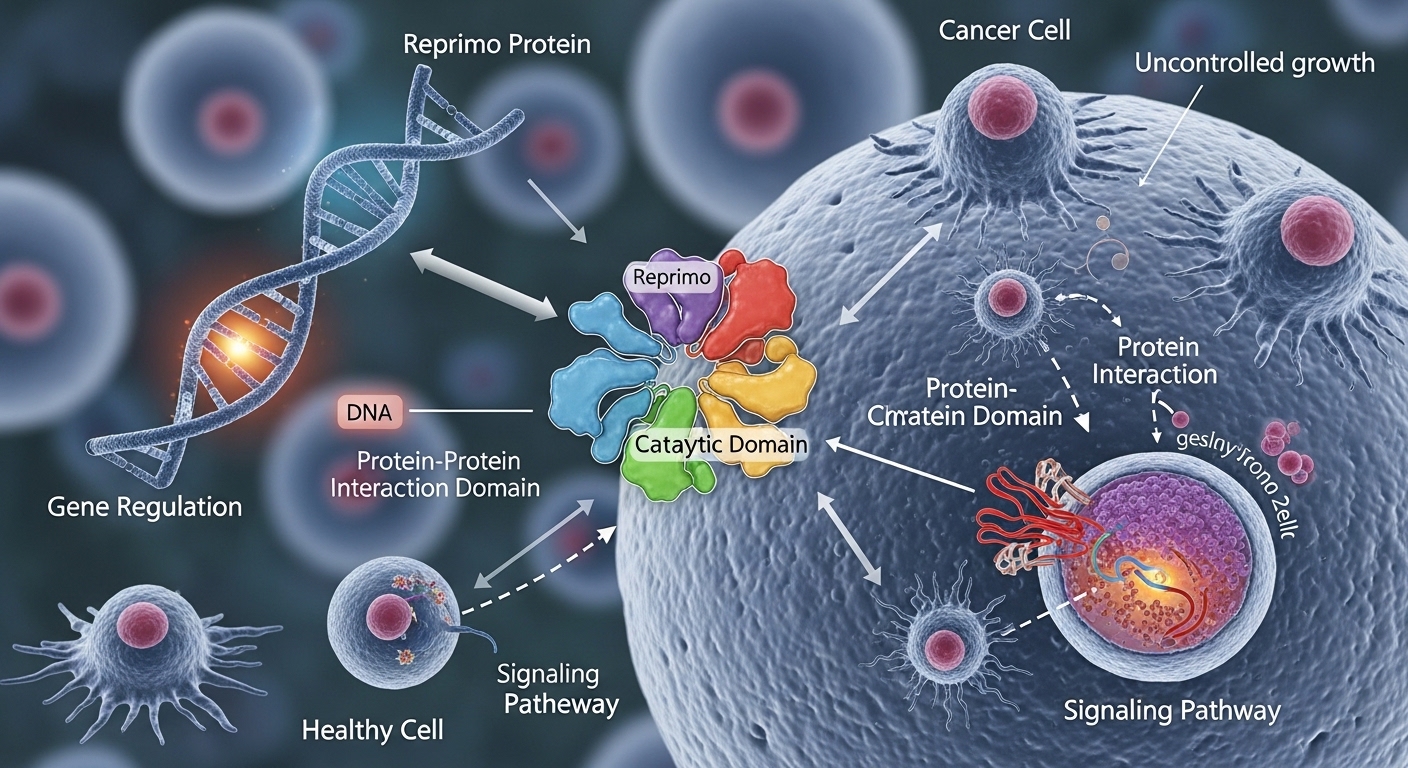
Cancer remains one of the most formidable challenges in modern medicine. As researchers continue to delve into its complexities, certain biomarkers have emerged as potential heroes in the fight against this disease. One such biomarker is Reprimo. Originally discovered for its unique properties, Reprimo has piqued the interest of scientists worldwide due to its intriguing role in cancer development and progression.
What exactly makes Reprimo a focal point in cancer research? This protein, initially characterized for its involvement in cell cycle regulation and apoptosis, has sparked numerous studies aimed at understanding how it might influence tumor behavior. With advancements in biotechnology and an ever-growing arsenal of therapeutic strategies, the spotlight on Reprimo becomes increasingly significant.
Join us as we explore what Reprimo is all about, how it affects cancer development, and what current research reveals about its potential implications for innovative treatments. The journey through this fascinating field could lead to groundbreaking changes in oncology one that may redefine how we approach cancer therapy altogether!
What is Reprimo?
Reprimo is a gene that plays a significant role in cellular processes. It acts as a crucial player in the regulation of cell cycle and apoptosis, or programmed cell death.
This gene symbolizes a vital checkpoint within the body’s defense mechanisms against cancerous developments. When functioning properly, Reprimo helps maintain healthy cell growth and division.
However, its expression can be altered in various types of cancers. Decreased levels of Reprimo are often associated with tumor progression and poor prognosis.
Scientists consider it an essential biomarker for detecting certain malignancies at earlier stages. Understanding how this gene operates offers insights into potential treatment options targeting cancer cells more effectively.
Understanding the Function of Reprimo in Cancer Development
Reprimo plays a crucial role in cellular responses to stress, particularly in the context of cancer development. This protein acts as a guardian of the cell cycle, helping maintain genetic stability.
When cells encounter DNA damage or other harmful stimuli, Reprimo initiates checkpoints that halt progression through the cell cycle. This pause allows time for repair mechanisms to address any issues before replication occurs.
In many cancers, the expression of Reprimo is disrupted. Low levels can lead to unchecked cell division and tumor growth. Conversely, restoring its function might enhance cancer treatment efficacy by reactivating these protective pathways.
Understanding how Reprimo interacts with various signaling networks sheds light on its complexities within tumor biology. Its multifaceted role makes it an exciting target for therapeutic strategies aimed at preventing or slowing down cancer progression.
Current Research on Reprimo and its Implications for Cancer Treatment
Current research on reprimo is uncovering its potential as a key player in cancer treatment. Scientists are investigating how this gene, which functions as a tumor suppressor, can be harnessed to target various cancers.
Studies have shown that altered levels of reprimo are associated with different malignancies. This correlation suggests that restoring normal function may halt or slow tumor progression.
Clinical trials are beginning to explore therapies aimed at modulating reprimo expression. These approaches could lead to innovative treatments tailored for specific types of cancer.
Moreover, researchers are examining the interaction between reprimo and other signaling pathways involved in cell cycle regulation. Understanding these relationships might reveal new therapeutic targets and improve patient outcomes significantly.
As insights into reprimo deepen, the quest for effective cancer therapies becomes ever more promising. The implications of this research extend beyond basic science; they hold hope for future treatments that could change lives.
Potential Benefits and Limitations of Targeting Reprimo in Cancer Therapy
Targeting Reprimo in cancer therapy presents intriguing possibilities. One significant benefit is its role as a tumor suppressor gene. By reactivating or enhancing Reprimo’s function, researchers hope to halt tumor growth and promote cancer cell apoptosis.
Moreover, targeting Reprimo can lead to personalized treatment approaches. Understanding an individual’s specific genetic makeup may allow for tailored therapies, increasing the likelihood of successful outcomes.
However, limitations exist. The complexity of cancer pathways means that solely focusing on Reprimo might not be sufficient. Tumors are adept at evading treatments through various mechanisms.
Additionally, potential side effects from manipulating this pathway could arise. Unintended consequences might affect normal cells and tissues alongside cancerous ones.
The therapeutic window for Reprimo remains to be fully understood. As research progresses, balancing benefits with risks will be crucial for developing effective strategies against cancer.
Future Directions for Reprimo Research
Future research on Reprimo holds exciting possibilities. Scientists are exploring its role beyond cancer, investigating how it might impact other diseases linked to cell cycle regulation.
Advancements in gene editing technologies could allow researchers to manipulate Reprimo expression more precisely. This would offer insights into its mechanisms and potential therapeutic applications.
Collaborative studies across institutions can enhance understanding of Reprimo’s interactions with various signaling pathways. Such collaborations may lead to the discovery of novel biomarkers for early cancer detection.
Additionally, clinical trials focusing on targeted therapies involving Reprimo are on the horizon. These trials will assess its effectiveness in combination with existing treatments, potentially leading to innovative approaches in oncology.
As research continues to evolve, uncovering new dimensions of Reprimo’s functions will be crucial for future breakthroughs in cancer therapy and personalized medicine.
The Promising Role of Reprimo in the Fight Against Cancer
Reprimo is emerging as a beacon of hope in cancer research. Its unique role in regulating cell cycle checkpoints could transform how we approach tumor growth.
Studies show that Reprimo expression decreases in various cancers, leading to uncontrolled cell proliferation. Restoring its function might halt this process. Researchers are excited about the potential for developing targeted therapies that leverage properties.
Moreover, targeting Reprimo can enhance the efficacy of existing treatments like chemotherapy and radiation. By reactivating this protein, scientists aim to increase cancer cells’ sensitivity to these therapies.
The ongoing exploration into gene therapy also opens new avenues for harnessing Reprimo’s capabilities. As techniques advance, there may be ways to deliver it directly into malignant cells with precision.
Such innovations create optimism among researchers and patients alike as they work toward more effective cancer management strategies. The journey continues, and each discovery brings us closer to better outcomes.
Conclusion
The role of Reprimo in cancer research is becoming increasingly significant. As scientists delve deeper into its functions and mechanisms, they uncover new possibilities for treatment strategies. By understanding how interacts with cell cycle regulation and apoptosis, researchers are paving the way for innovative therapies.
The potential benefits of targeting in cancer therapy are promising. It could lead to better diagnostic tools and more effective treatments tailored specifically to the unique biology of tumors. However, it is essential to proceed cautiously due to possible limitations and challenges that may arise during clinical applications.
Future research will undoubtedly play a critical part in shaping our understanding of this protein’s capabilities. Ongoing studies aim to enhance our knowledge about its precise role within various cancers while also exploring ways to manipulate its pathways for therapeutic purposes.
As we continue our battle against cancer, Reprimo holds a place at the forefront of scientific inquiry. The insights gained from ongoing research could lead us closer to breakthroughs that change lives and improve outcomes for patients everywhere. The promise held by this small yet powerful protein offers hope in what can often feel like an uphill struggle against one of humanity’s most formidable adversaries.