

Anaheim works well for a family trip because it gives parents a clear anchor: theme parks. That does not mean every hour has to happen inside a park gate. A good five-day Anaheim vacation mixes Disney, lower-pressure attractions, hotel downtime, casual food, and one day that lets everyone breathe.
Families often make the same mistake when planning Anaheim. They treat the trip like a race. They book back-to-back park days, skip breaks, underestimate walking, and assume kids will stay cheerful because the destination is exciting. Anaheim rewards a better plan. The city and its nearby areas give families enough options to build a trip around energy, not just tickets.
A five-day trip is long enough for two Disney days, one non-Disney attraction day, one lighter local day, and a smooth arrival or departure day. That structure gives kids the big moments they expect while giving parents room to manage meals, naps, budgets, and travel fatigue. The best version of Anaheim is not the busiest version. It is the version where the family still has patience left by dinner.
Start With the Right Base
The hotel decision shapes the whole trip. A family visiting Anaheim should choose the hotel before filling the itinerary because location changes the daily rhythm. A hotel within walking distance of Disneyland Resort may cost more, but it can save time, parking fees, shuttle waits, and arguments at the end of a long night.
Families focused on Disney should look closely at hotels near Harbor Boulevard, Katella Avenue, or the Anaheim Resort District. These areas place guests near Disneyland Park, Disney California Adventure Park, Downtown Disney, restaurants, convenience stores, and shuttle routes. A walkable hotel helps when one parent wants to take a younger child back for a rest while the rest of the family stays in the park.
A family that wants more room may prefer Garden Grove or nearby resort-style hotels. This area often has suite hotels, larger rooms, breakfast options, and properties with stronger pool areas. Great Wolf Lodge Southern California is one example for families who want an indoor water park as part of the stay. It can work especially well for younger kids or for families who want one full day without driving to another attraction.
A hotel pool matters more than many parents expect. After several hours in a theme park, kids may want a simple swim more than another scheduled activity. A good pool gives the day a reset point. Parents should check pool hours, room layout, parking costs, breakfast availability, and whether the hotel charges resort fees.
Room size also matters. A standard room may work for one night, but five days with luggage, snacks, souvenirs, wet swimsuits, and tired kids can feel tight. A room with a sofa bed, kitchenette, or separate sleeping area can make mornings easier. Families should not choose only by nightly rate. A cheaper hotel with paid parking, no breakfast, and a long commute can become more expensive than it first appears.
Transportation should stay simple. If Disney is the main focus, walking is usually the easiest option. If the hotel is farther away, the Anaheim Regional Transportation shuttle may help, but parents should check routes and timing before relying on it. Rideshare can work for some local trips, but car seats, surge pricing, and pickup zones can complicate things. A rental car is useful for Knott’s Berry Farm, beach trips, grocery stops, and airport transfers, but it adds parking costs.
The best hotel for a family is not always the fanciest one. It is the one that supports the plan. A family with young children may value walkability and an early bedtime. A family with older kids may want a larger pool, a short drive to other attractions, and space to spread out. The right base keeps the trip from feeling like a daily logistics project.
Build the Five Days Around Energy
The first day should stay light. Many families arrive in Anaheim after a flight, a long drive, or a connection through Los Angeles, Santa Ana, or Long Beach. That is not the time to force a full park evening unless everyone is rested and the tickets make sense. A better first day is check-in, pool time, a simple dinner, and a short walk around Downtown Disney or the hotel area.
Downtown Disney works well for arrival night because it gives families a taste of the Disney atmosphere without a full park commitment. Kids can look in shops, parents can find dinner, and everyone can start adjusting to the trip. This is also a good time to buy forgotten items, organize park bags, and review the next morning’s plan.
The second day should usually be Disneyland Park. This is the classic Anaheim day, and many children see it as the main reason for the trip. Starting here gives the family the emotional peak early. Disneyland Park has the attractions, characters, lands, parades, and nighttime entertainment most first-time visitors expect.
Families should arrive early, even if they do not love early mornings. The first few hours often feel calmer than the middle of the day. Parents can focus on popular rides before the heat, crowds, and decision fatigue build. A smart morning may include Fantasyland for younger kids, Star Wars: Galaxy’s Edge for older kids, or a mix of classic rides such as Pirates of the Caribbean, Haunted Mansion, Jungle Cruise, and Big Thunder Mountain Railroad.
The middle of the day should not be treated as dead time. It is when many families need shade, lunch, a slower attraction, or a return to the hotel. A midday break can save the evening. Kids who rest after lunch often handle fireworks, parades, or one last ride better than kids who push through every hour.
Food planning inside Disneyland should be practical. Mobile ordering can reduce waiting. Snacks can prevent mood crashes. Parents should not plan every meal as a major event. One sit-down meal may help, especially if it gives the family air conditioning and a scheduled pause, but too many reservations can make the day feel rigid.
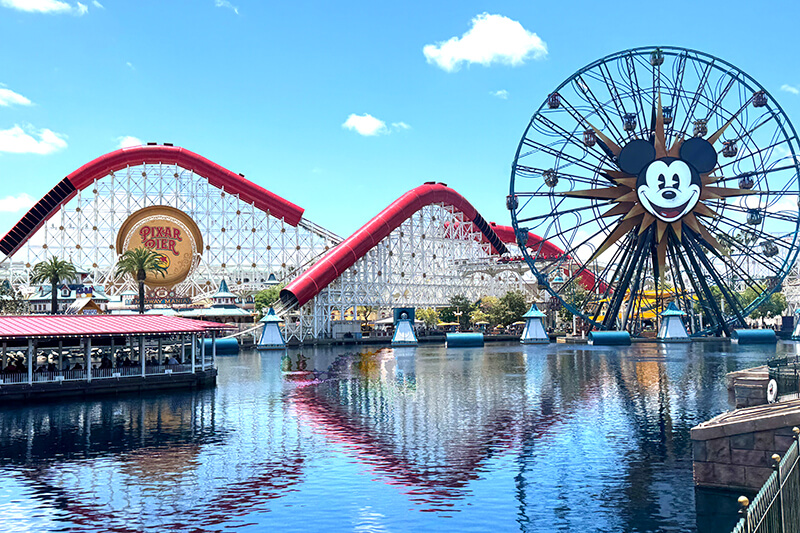
The third day can be Disney California Adventure Park. This park has a different pace. It feels more open in some areas and has strong attractions for families with school-age kids. Cars Land is often a highlight, especially Radiator Springs Racers. Pixar Pier gives families Toy Story Midway Mania, the Incredicoaster for older kids, and a boardwalk-style feel. Avengers Campus appeals to Marvel fans and gives kids character moments outside the traditional Disney setting.
Disney California Adventure also works well for families who want better evening flow. World of Color can be a strong nighttime anchor, and the food options may feel more varied for parents. Families with Park Hopper tickets can split the day between both parks, but that choice depends on budget and energy. For many families, one park per day is easier. It reduces walking, decisions, and the feeling that everyone must cross back and forth to justify the ticket.
The fourth day should not automatically be another Disney day. Some families can handle three park days in a row, but many cannot. Anaheim and nearby Buena Park offer strong alternatives. Knott’s Berry Farm is a clear choice for families with older children, coaster fans, or anyone who wants a different theme park style. It has thrill rides, family rides, shows, and the Peanuts characters in Camp Snoopy.
Knott’s can also work as a budget-friendly contrast to Disney, depending on ticket prices and travel dates. The park has a California history feel, and its food identity is stronger than many visitors expect. A meal at Mrs. Knott’s Chicken Dinner Restaurant can become part of the day rather than just a food stop.
Great Wolf Lodge is another strong fourth-day option, especially for families who want water play without weather worries. An indoor water park day can be easier than another theme park day because the family stays in one place. Parents do not need to manage ride reservations, long walks, or a packed schedule. Kids can swim, slide, rest, eat, and return to the water.
Adventure City is a better fit for younger kids or families who want a smaller park. It does not try to compete with Disneyland or Knott’s. That is part of the appeal. A smaller park can give children rides, shows, and fun without the scale, cost, and walking of the larger parks. For families with kids under ten, it can be a smart half-day choice.
The fifth day should stay loose. Departure days are rarely good for big plans. Packing takes longer with children. Souvenirs need space. Someone may be tired, sunburned, overstimulated, or sad to leave. A slow breakfast, final swim, and short local outing often works better than another full ticketed attraction.
Anaheim Packing District is a useful final-day stop. It gives families many food choices in one place, which helps when everyone wants something different. Parents can get a more interesting meal than standard fast food, while kids can still find familiar options. It is also a good place to pause before driving to the airport or continuing to another California destination.
Use Food and Breaks as Part of the Plan
Food can make or break a family trip. Anaheim has plenty of choices, but families need to think beyond where they want to eat. They need to think about when kids will be hungry, how long lines might be, and whether a meal helps the schedule or interrupts it.
Breakfast should be simple on park days. A hotel breakfast, groceries in the room, or a quick nearby café can save money and time. Parents should avoid starting the day with a long sit-down breakfast if they want to enter the park early. Kids can eat something basic before leaving and have a snack later.
Snacks should be packed with intention. Granola bars, fruit, crackers, refillable water bottles, and small treats can prevent expensive emergency stops. Parents should also bring sunscreen, hats, wipes, portable chargers, and a change of clothes for younger children. A well-packed park bag reduces stress, but it should not become so heavy that one parent suffers all day.
Lunch is the hardest meal in a theme park because everyone gets hungry at the same time. Families should aim to eat earlier or later than the main rush. Mobile ordering helps when available. A shaded lunch spot can matter as much as the food itself. Parents should not underestimate the value of sitting down for 30 minutes.
Dinner depends on the day. On a Disneyland day, dinner inside the park or Downtown Disney may make sense if the family plans to stay for nighttime entertainment. On a non-park day, leaving the tourist core can bring better value. Anaheim Packing House, GardenWalk, hotel restaurants, and nearby casual spots give families more control over pace and price.
Character dining can be worth it for some families, but it should solve a specific goal. If the children care deeply about characters, a character meal can reduce the need to wait in multiple meet-and-greet lines. If the kids care more about rides, the cost may not be worth it. Parents should book these meals because they fit the family, not because they feel required.
Families should also plan for one ordinary meal. Not every meal needs to be memorable. A pizza night in the hotel room, sandwiches by the pool, or takeout after a long day can be exactly what everyone needs. Children often remember the pool and the rides more than the restaurant name.
Breaks deserve the same respect as attractions. A break is not wasted time. It is what allows the next part of the day to go well. Families can take breaks at the hotel, in shaded park areas, during shows, on slower rides, or at a longer meal. Parents traveling with grandparents or multiple children should plan breaks before anyone melts down.
A realistic Anaheim trip also includes laundry, grocery stops, and quiet time. Wet swimsuits, spilled drinks, and hot days create mess. A hotel laundry room or extra clothes can help. Parents should check whether the room has a mini-fridge, microwave, or coffee maker. These small details become important during a five-day family stay.
The physical setup of restaurants and hotels matters when traveling with children. Parents notice spacing between tables, stroller access, booth seating, and whether kids can sit comfortably after a long day; even choices like restaurant furniture can shape how relaxed a family meal feels after hours of walking.
Match Attractions to Child Ages
Anaheim planning gets easier when parents match attractions to their children instead of copying someone else’s itinerary. A family with a six-year-old and a nine-year-old needs a different pace than a family with teenagers. The destination is the same, but the trip should not be.
Younger children often do best with Disneyland Park, hotel pool time, Adventure City, character meals, and shorter days. They may love Fantasyland, Mickey’s Toontown, parades, and slower rides. They may not care how much the tickets cost or how many famous attractions they miss. Their success depends on sleep, snacks, shade, and patience.
School-age kids can usually handle more variety. They may enjoy Disneyland Park one day, Disney California Adventure the next, and Knott’s or Great Wolf Lodge after that. This age group often responds well to a clear daily plan. Parents can explain the morning priorities, lunch plan, and evening goal so children know what to expect.
Older children and teens may want thrill rides, Star Wars, Marvel, sports, beaches, and later nights. They may enjoy Knott’s Berry Farm more than younger siblings do. They may also care about food halls, shopping, and social media-friendly stops. Parents should give older kids some input, especially if the family is spending several days in the area.
Mixed-age families need compromise. One parent may take older kids to a thrill ride while the other handles a younger child’s slower attraction. Families can also split for an hour and reunite for meals. Trying to keep everyone together for every ride often leads to frustration. Splitting up briefly can make the day better for everyone.
Families with toddlers should build the trip around naps and short bursts. They should avoid paying for more park days than the child can handle. Families with elementary-age kids can usually get the best value from two major park days and one lighter attraction day. Families with teens can consider longer evenings, thrill parks, and a beach or sports add-on.
A beach day can work during a five-day Anaheim trip, but it should not be squeezed into an already packed schedule. Huntington Beach is a common choice because it gives families sand, pier views, casual food, and a classic Southern California feel. Newport Beach and Laguna Beach are also options, but traffic and parking can affect the day. A beach add-on is best when the family has already had its main park days and wants a change of pace.
Sports can also add variety. Angel Stadium gives baseball fans a local evening option during MLB season. Honda Center brings hockey and events depending on the calendar. These outings work especially well for families with older kids who can sit through a game or show. They also give parents a break from theme-park lines.
Shopping should stay limited unless it serves a purpose. Downtown Disney, Anaheim GardenWalk, and Outlets at Orange can fill a few hours, but most children will not want a shopping-heavy vacation. Souvenir shopping is better handled with a budget. Give each child a set amount and let them choose. This prevents repeated negotiations at every store.
The best attraction mix is not the one with the most famous names. It is the one that matches the family’s ages, stamina, and budget. Anaheim gives families enough choices to customize the trip without leaving Orange County.
Control the Budget Before the Trip Starts
Anaheim can become expensive quickly. Theme park tickets, hotels, parking, meals, snacks, souvenirs, and paid upgrades add up fast. Families should build the budget before booking, not after arrival.
Park tickets are usually the largest activity cost. A family should decide how many ticketed park days they truly need. Two Disney days may be enough for many five-day trips. A third Disney day can be worth it for families who want a slower pace inside the parks, but it may not be necessary if the family also wants Knott’s, Great Wolf Lodge, or a beach day.
Hotel cost needs a full calculation. Parents should include taxes, resort fees, parking, breakfast, and transportation. A hotel that looks cheaper online may cost more once daily parking and meals are included. A hotel with breakfast and walkability may offer better total value.
Food costs can surprise families. Theme park meals, snacks, drinks, and treats are part of the experience, but they should not be the only food plan. Parents can save by eating breakfast outside the park, carrying snacks, sharing some portions, and choosing a few special treats instead of buying something every time a child asks.
Souvenirs need rules. A simple souvenir budget helps children make choices. Parents can set the amount at the start of the trip and avoid daily debates. This also teaches kids to compare what they want instead of grabbing the first glowing toy after dark.
Paid line-skipping services or premium park tools should be judged by the family’s priorities. They can help on crowded days, but they are not magic. Parents still need a plan. Families should decide before arrival whether these add-ons fit the budget. Buying them impulsively after frustration sets in can lead to overspending.
A higher-budget Anaheim trip may include a Disney hotel or premium walkable hotel, two or three Disney days, a character meal, and a Knott’s day. A mid-range trip may use a suite hotel with breakfast, two Disney days, one water park or Knott’s day, and casual meals outside the parks. A lower-budget trip may include one Disney day, Adventure City, Anaheim Packing District, hotel pool time, beach time, and free or low-cost local stops.
Families should also leave space for the unexpected. A child may need medicine, extra clothes, a stroller rental, or a replacement charger. Parking may cost more than expected. A rainy or very hot day may push the family toward an indoor activity. A small buffer keeps these moments from becoming stressful.
The best way to control costs is to decide what matters most. If Disneyland is the priority, spend time there and simplify other days. If the hotel pool and water park matter more, reduce park days. If food is important, plan fewer souvenirs. A good family budget is not about spending as little as possible. It is about spending on the parts the family will actually remember.
A Practical Five-Day Anaheim Itinerary
A balanced five-day Anaheim itinerary should start easy, peak early, slow down in the middle, and end without pressure. This sample plan works for many families, but it can be adjusted by age, budget, and travel dates.
Day one should be arrival and settling in. The family checks into the hotel, swims if there is time, and has a casual dinner. If everyone has energy, Downtown Disney is a good evening walk. Parents can pick up snacks, review tickets, charge devices, and get children to bed at a reasonable hour.
Day two should be Disneyland Park. The family arrives early and starts with the rides that matter most. Younger children may begin with Fantasyland and Mickey’s Toontown. Older kids may head toward Star Wars: Galaxy’s Edge, Big Thunder Mountain Railroad, or other high-demand rides. Lunch should happen before the main rush or after it. A hotel break in the afternoon can help the family return for the evening.
Day three should be Disney California Adventure Park. The family can focus on Cars Land, Pixar Pier, Avengers Campus, and shows. This day often feels different from Disneyland Park, which helps prevent repetition. Parents should choose one or two must-do attractions and let the rest of the day breathe. If the family wants World of Color, the evening should be planned around that show.
Day four should be the contrast day. Knott’s Berry Farm is the best choice for families who want another theme park with coasters and a different style. Great Wolf Lodge is the better choice for a water park and indoor play day. Adventure City is the better choice for younger kids and families who want a smaller, cheaper outing. A beach day can also fit here if the family wants ocean time more than another attraction.
Day five should be slow and simple. The family packs, eats breakfast, swims one last time, and visits Anaheim Packing District or another nearby food stop. If departure is late, a short shopping stop or walk can fill the time. Parents should avoid booking an expensive activity unless travel timing clearly allows it.
This itinerary works because it protects the family’s energy. It gives Disney enough attention without letting the whole trip become a forced march. It includes a lighter day, food variety, and room for rest. It also gives families a way to adjust if weather, crowds, or tired children change the plan.
Anaheim is at its best when parents plan with real family behavior in mind. Kids get hungry, feet hurt, lines feel longer in the afternoon, and hotel pools become surprisingly important. A good five-day trip accepts those facts instead of fighting them.
A family does not need to see everything in Anaheim to have a strong vacation. It needs a clear base, a smart attraction mix, simple meals, planned breaks, and a budget that matches its priorities. With that approach, five days in Anaheim can feel full without feeling overloaded.
 Oscar James S