

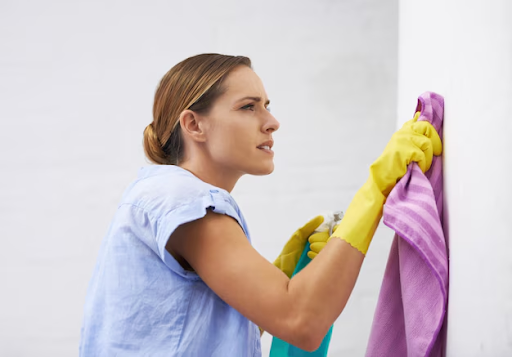
Your walls act like a silent canvas for your daily life. Over months and years, they quietly gather layers of dust, stubborn wall stains, sticky grease, and invisible allergens. While we vacuum floors and wipe counters daily, wall cleaning is often overlooked. Neglecting these vertical surfaces leads to a dull living environment.
It can even trigger respiratory issues for sensitive individuals. Dust mites and pollen cling to the microscopic textures of your paint. In kitchens, airborne grease settles and hardens, creating a tacky film that attracts even more grime.
In those cases, a professional wall-cleaning service can help you achieve deeper, safer results. These experts use specialized tools to lift dirt without causing unsightly peeling or permanent discoloration. Keeping your walls fresh is the foundation of a truly pristine home.
Why Wall Cleaning Is Important for Every Home and Business
Regularly scheduled wall cleaning is a vital part of property maintenance. Think of your walls as the largest surface area in any room. If they are dirty, the entire room feels dingy, regardless of how clean your furniture is.
For businesses, a professional cleaning service NYC projects a professional image to clients and customers. For homeowners, it creates a sense of pride and comfort. Dirt does not just sit on the surface; it can actually bond with the paint or wallpaper over time.
Beyond aesthetics, this practice extends the life of your interior finishes. Acidic oils from fingerprints can slowly break down paint binders. By removing these oils, you avoid the need for frequent, expensive repainting.
Health, Hygiene, and Indoor Air Quality
Indoor air quality depends heavily on the cleanliness of your vertical surfaces. Walls act as massive filters, trapping floating particles. Gravity eventually pulls some dust down, but static electricity keeps much of it stuck to the walls. When you walk by or open a window, these particles become airborne again. This cycle irritates people with asthma or allergies.
Mold and bacteria also find a harbor on walls, especially in corners with poor airflow. Microscopic mold spores can feed on the organic matter found in dust. If left unchecked, these colonies grow and release spores into your breathing zone.
Deep wall cleaning disrupts this growth. It removes the food source for bacteria and fungi. By keeping these surfaces sanitized, you create a safer environment for children and pets who often touch or lean against these areas.
Protecting Paint and Maintaining Property Value
Your property is a significant investment. Protecting the integrity of your painted walls is a smart way to guard that investment. Over time, environmental pollutants cause paint to oxidize and lose its luster. Grime can also hide small cracks or water damage that needs urgent attention. When you clean regularly, you spot these issues before they become structural nightmares.
A well-maintained building always commands a higher market value. Potential buyers or renters notice the “crispness” of a space immediately. Smudges around light switches or baseboards suggest a lack of general care. By keeping the walls spotless, you demonstrate that the property is meticulously cared for. It preserves the pigment’s vibrant color and keeps the texture looking like new.
Understanding Wall Types Before You Start Cleaning
You must identify your wall materials before you grab a bucket of water. Not every surface reacts the same way to moisture or friction. Using the wrong technique can lead to a disaster. You might rub the paint right off the drywall or cause wallpaper to bubble and peel. Some modern paints are “scrubbable,” but many older or matte finishes are very porous. For a better solution, you can contact an expert wall cleaning service.
Before you apply any liquid, look at the finish under a bright light. Is it shiny or dull? Does it have a heavy texture like knockdown or popcorn? Knowing these details helps you choose the right pressure and cleaning agent. Always test a small, hidden area behind a door or a piece of furniture first. This simple check prevents costly mistakes and ensures your wall-cleaning efforts are successful.
Painted, Wallpapered, and Textured Walls
Painted walls require different levels of care based on their sheen. Glossy and semi-gloss paints are durable. They handle mild detergents well. Matte or flat finishes are much more delicate. If you scrub flat paint too hard, you create “burnishing,” a permanent shiny spot. For these, use a very light touch and a soft sponge.
Wallpaper is another challenge entirely. Older papers are often not water-resistant. If you get them too wet, the adhesive dissolves. Use a specialized “dry sponge” for non-washable wallpaper.
For vinyl-coated wallpaper, a damp cloth is usually safe. Textured surfaces like brick or stone need a soft vacuum brush attachment first. This removes dust from deep crevices where a cloth cannot reach. Always avoid excessive water on textured drywall, as it can soften the material.
High-Traffic Areas Like Kitchens and Bathrooms
Kitchens and bathrooms are the hardest rooms to clean walls effectively. In the kitchen, cooking grease vaporizes and lands on every surface. This grease becomes a glue for dust. You often need a mild degreaser to break this bond. Be careful not to use anything too abrasive, as it might scratch the finish.
In bathrooms, humidity is the main enemy. Steam carries soap scum and skin cells onto the walls. This creates a perfect breeding ground for mildew. You might see small black or orange spots forming near the ceiling. Use a mixture of water and white vinegar to naturally kill spores. Always dry the walls thoroughly after cleaning to prevent moisture from soaking into the drywall core.
Safe and Effective Wall Cleaning Methods
To achieve clean, streak-free walls, you must follow a specific order. Start by removing all furniture and wall decor. Dust the entire surface from top to bottom using a microfiber duster or a vacuum with a soft brush. This prevents you from turning dry dust into liquid mud once you start washing.
Next, prepare two buckets. Fill one with warm water and a tiny amount of mild dish soap. Fill the second bucket with plain warm water for rinsing. Dip a soft sponge into the soapy water and wring it out until it is just damp. Start at the bottom of the wall and work your way up.
This might sound strange, but it prevents dirty water from dripping down onto dry, dusty areas and leaving permanent streaks. Work in small sections and rinse each area with the plain water sponge immediately. Finally, use a clean, dry cloth to buff the surface dry.
Removing Common Stains and Marks
Accidents happen in every household. Fingerprints are common around doors and hallways. A simple wipe with a damp microfiber cloth usually removes these oils. For scuff marks from shoes or furniture, a melamine foam eraser works wonders. However, use it very gently. These erasers act like extremely fine sandpaper and can remove paint if you are too aggressive.
Crayon marks from little artists can be tricky. Try using a bit of non-gel toothpaste on a soft cloth. The mild abrasives lift the wax without hurting the paint. For grease splashes, a paste of baking soda and water can draw the oil out of the surface. Always remember to rinse the area with clear water afterward. Never use harsh bleach or ammonia-based cleaners unless you are certain the paint can handle it.
When to Consider Professional Wall Cleaning
Sometimes, a DIY approach is not enough to get the job done right. If you are dealing with extensive mold growth, do not try to scrub it yourself. Disturbing large mold colonies can release dangerous amounts of spores into the air. Professionals have the protective gear and industrial HEPA vacuums to handle this safely.
Smoke damage from a fireplace or a kitchen fire is another reason to call for help. Smoke particles are incredibly small and oily. They lodge deep within the wall’s pores. Standard cleaning often just smears the soot around. High ceilings or grand foyers also present a safety risk for homeowners on ladders.
A professional wall cleaning service has the scaffolding and long-reach tools to handle these heights. They provide a level of thoroughness that restores your home to a “like-new” state without the physical strain.
Final Thoughts
Mastering wall cleaning is the secret to a truly healthy and beautiful home. By removing dust, allergens, and wall stains, you improve your air quality and protect your decor. Remember that different surfaces require different levels of care. Always start with the gentlest method possible to avoid damaging your painted walls. Regular maintenance prevents the buildup of grime and helps maintain your property’s value.
Whether you tackle one room a weekend or hire a professional wall cleaning service for a total refresh, the results are worth the effort. A bright, clean wall reflects a well-cared-for life. Use these expert tips to keep your vertical surfaces looking flawless for years to come.
 adam@frontierinfo.com