

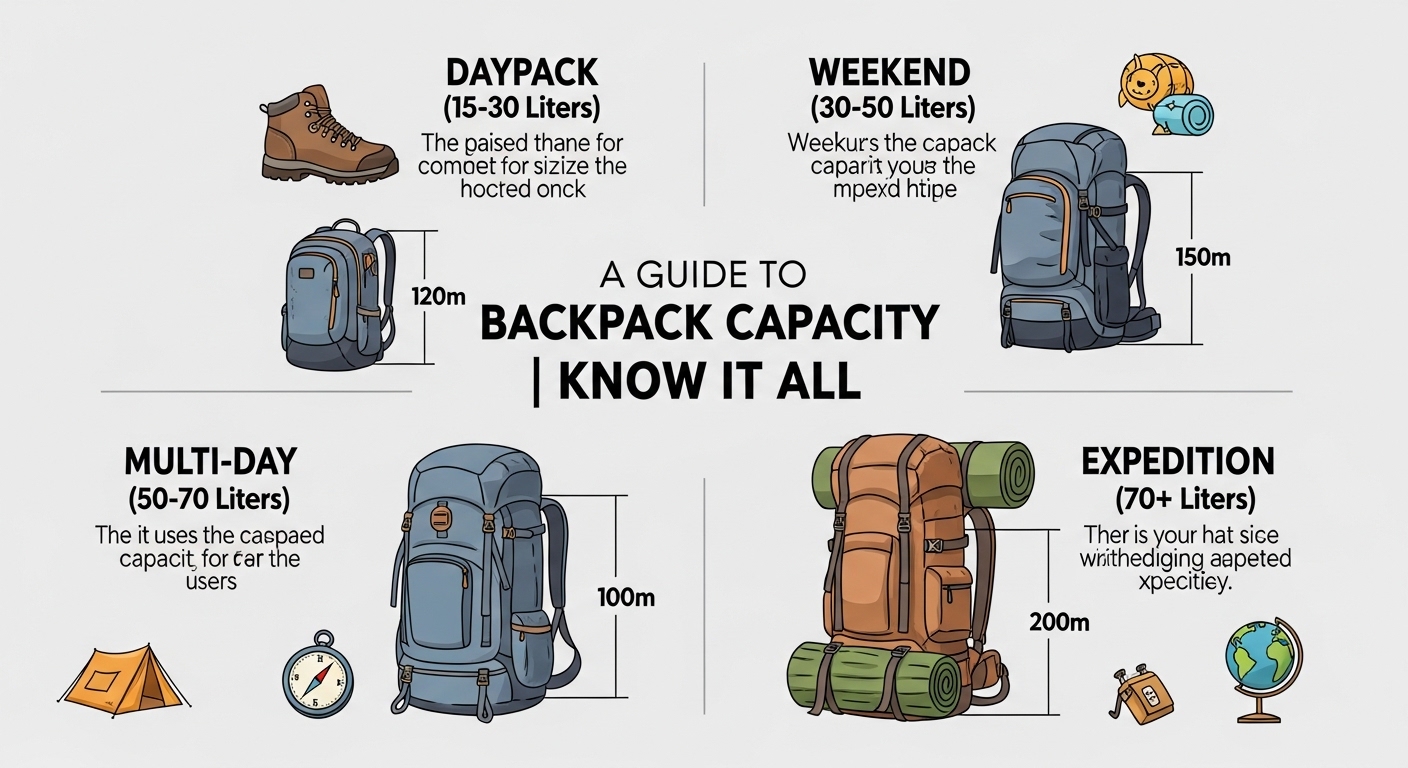
Understanding backpack capacity is essential when choosing the right bag for your needs. Capacity determines how much you can carry and how comfortable your backpack feels during use. Whether you need a bag for daily use, travel, or work, knowing how capacity works will help you make a better decision. Many people prefer options like versatile leather laptop backpacks that offer a balanced capacity for both work and everyday essentials.
What is Backpack Capacity?
Backpack capacity is measured in liters and refers to the total volume a backpack can hold. It gives you a clear idea of how much space is available inside the bag.
For example:
- A 15L backpack holds fewer items and is more compact
- A 30L backpack offers more space for clothing and gear
- A 50L backpack is suitable for longer trips
Understanding these numbers helps you choose the right size for your needs.
Backpack Capacity Categories
Backpacks are generally divided into three main categories based on capacity.
Small Capacity (10L to 20L)
These backpacks are ideal for daily use, short outings, and carrying basic essentials like a phone, wallet, and water bottle.
Medium Capacity (20L to 40L)
This is the most popular range. It works well for work, school, and short trips. You can carry a laptop, documents, and a few extra items comfortably.
Large Capacity (40L and Above)
Large backpacks are designed for travel, hiking, or extended trips. They can hold clothing, gear, and other bulky items.
How to Choose the Right Capacity
Choosing the right backpack capacity depends on how you plan to use it.
For Everyday Use
A small to medium backpack is usually enough for daily essentials.
For Work or Office
Look for a medium-sized backpack that can fit your laptop and documents comfortably.
For Travel
Choose a larger capacity if you need to carry clothes and travel gear.
Matching capacity with purpose ensures you do not overpack or run out of space.
Factors That Affect Capacity Needs
Several factors influence how much capacity you actually need.
Trip Duration
Longer trips require larger backpacks.
Type of Items
Bulky items take up more space than compact ones.
Packing Style
Efficient packing can reduce the need for extra capacity.
Organization
Backpacks with multiple compartments make better use of available space.
Capacity vs Comfort
A larger backpack may seem useful, but it can become uncomfortable if overloaded. Carrying too much weight can lead to strain and fatigue.
To maintain comfort:
- Avoid overpacking
- Distribute weight evenly
- Choose a backpack with proper support
The right capacity should feel balanced and manageable.
Why Structure and Material Matter
Capacity is not just about size. The material and structure of a backpack also affect how usable that space is.
High-quality premium leather backpacks offer better structure, which helps maintain shape and improves organization. A well-structured backpack makes it easier to access items and carry weight comfortably.
Tips for Managing Backpack Capacity
- Pack only what you need
- Use packing cubes or organizers
- Place heavier items closer to your back
- Keep frequently used items easily accessible
These tips help you make the most of your backpack space.
Final Thoughts
Backpack capacity plays a crucial role in how comfortable and practical your bag is. By understanding capacity ranges and matching them with your needs, you can choose a backpack that works perfectly for your lifestyle.
Focus on balance, organization, and comfort when selecting your backpack. With the right capacity, your backpack becomes more efficient, making your daily activities and travels much easier.
 Oscar James S