

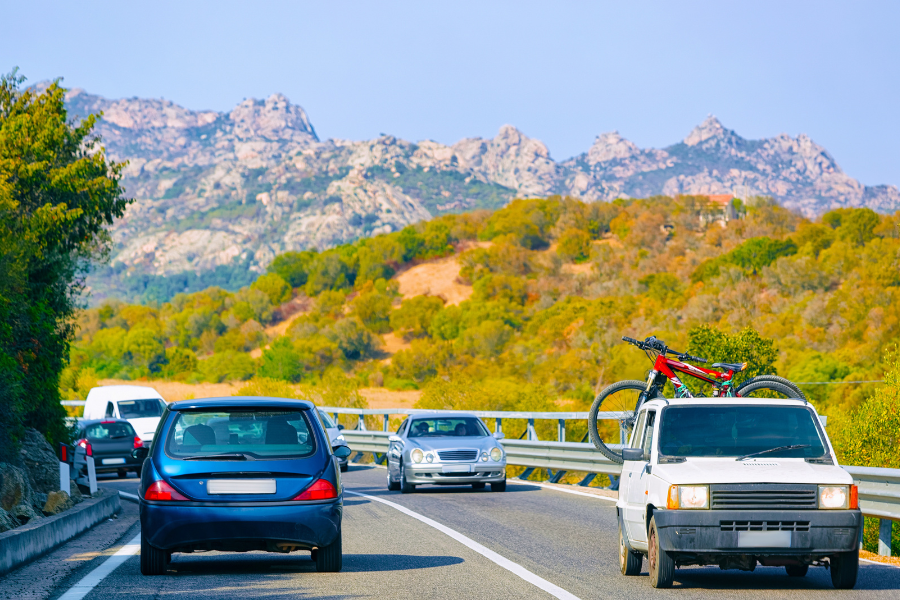
Holidays are for fun, frolic, relaxing, and memorable moments. And for many Australians, the best sort of fun is road trips, family visits, beach drives, and long weekend trips. With all the fun that road trips and holidays bring, there’s also an increased risk of accidents on the roads. Holiday seasons see peak traffic as many people travel at the same time. Roads become busier, drivers become impatient, and distractions become more common. Unfortunately, this combination can quickly turn dangerous. That’s why most Sydney driving school instructors often remind their students to be more alert and aware of the changing road conditions during the holiday period. In this article, we’ll take a look at why roads become even more dangerous during the holidays.
Heavier Traffic Means Higher Risk
One of the biggest reasons holidays become more dangerous is the sheer number of vehicles on the road. Motorways, regional highways, tourist areas, and shopping precincts all experience increased congestion. With more vehicles comes a greater chance of sudden braking, lane changes, and driver frustration. Holiday traffic often includes long-distance travellers, unfamiliar drivers, tired families, new or inexperienced drivers, and drivers towing caravans or trailers. This makes road conditions unpredictable, which demands extra caution.
Speeding Becomes More Common
Speeding is a common issue on the roads, especially during the holiday season. The heady combination of vacation vibes and the thrill of a drive can also make drivers feel impatient to reach their destination quickly. But even a small increase in speed can have a big impact. Speeding reduces reaction time and increases stopping distance. Programs like the Safer Drivers Course also teach their students to be aware of their driving speed and decision-making because these habits become especially important during holiday travel.
Fatigue Is a Serious Danger
Long holiday drives often mean early starts, late finishes, and hours spent behind the wheel. Many drivers underestimate how quickly tiredness builds up during long trips. One moment they’re awake, and the next they’re flowing between drowsiness and wakefulness. Fatigue can affect concentration, reaction time, and judgment just as seriously as alcohol. It can slow reactions, cause difficulty concentrating, result in missing road signs, and frequently lead to yawning and drifting within the lane. Taking regular breaks and sharing driving responsibilities can help drivers manage the drive without overworking themselves.
Distractions Increase During Holidays
Even a brief distraction can cause a serious crash. Whether you are driving a short distance or heading interstate, the same level of concentration is always required. However, holiday driving often comes with extra distractions inside the vehicle. From loud conversations and excited passengers to navigation systems, phones, music, or children in the car, anything can reduce driver focus. A trusted Sydney driving school teaches learners that distraction-free driving starts before the vehicle even moves.
Alcohol and Celebrations Affect Judgment
Holidays are celebration times, so it’s natural that you’ll have alcohol, late nights, social gatherings, and lots of dancing. However, all this also has a flip side. It can lead some drivers to make dangerous decisions like driving impaired or fatigued. Alcohol affects reaction time, coordination, judgment, and even hazard perception. Even small amounts can reduce driving ability significantly. Planning safe transport or getting a ride pre-booked before celebrations is one of the simplest ways to reduce risk on the road.
Small Habits Make a Big Difference
During the holiday season, drivers need to share the roads with families, learner drivers, elderly drivers, and visitors unfamiliar with local roads. In such heavy traffic, simple safety habits become even more important. You can start by wearing seatbelts correctly, following speed limits, staying patient in traffic, avoiding aggressive driving, staying focused on the road, and giving yourself extra travel time. Being courteous also makes a significant difference.
Final Thoughts
Holidays may only last a few days or weeks, but the consequences of unsafe driving can last a lifetime. Traffic, fatigue, speeding, distractions, and celebrations all increase risk during holiday periods. That’s why staying calm, alert, and patient matters more than ever. Whether you are learning through a driving lessons or building safer habits over time, responsible driving protects not only you but everyone around you.
At Onroad Driving School, we believe safe driving is not just a skill for passing the test. It’s a habit that should continue every day of the year, including during the busiest holiday seasons.
 Oscar James S